
JARS Logo

Select a Store

What Is Live Resin? Everything You Need to Know

JARS Team

by JARS Team | November 5, 2026

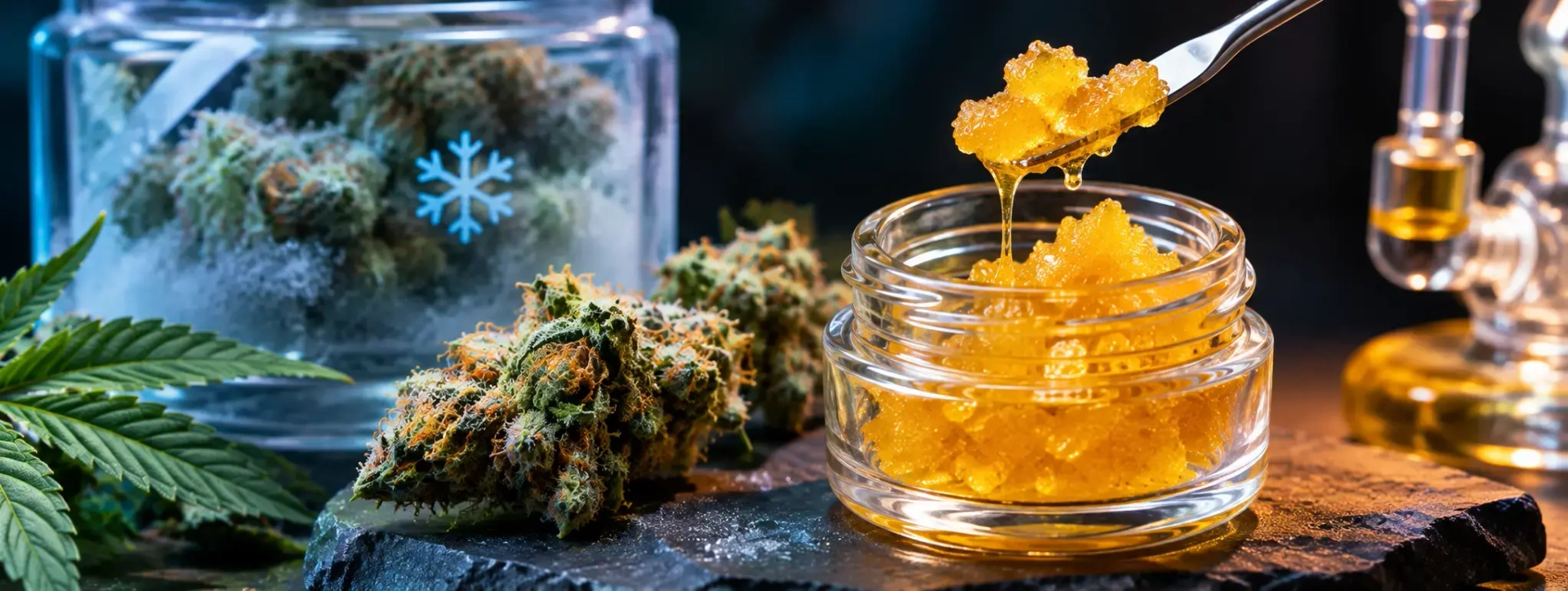
Golden live resin concentrate with fresh cannabis buds

Live resin stands out as one of the most flavorful options in the modern cannabis showcase. Unlike traditional concentrates crafted from dried and cured flower, live resin comes directly from freshly harvested cannabis that is immediately flash-frozen at sub-zero temperatures. Because extractors skip the standard drying and curing phases, this concentrate locks in delicate terpene profiles that typically evaporate during open-air processing. However, finished live resin can vary significantly in texture, aroma, and cannabinoid composition depending on the cultivar and extraction batch. Learning what live resin is, how producers craft it, how to use and store it safely can help you navigate product labels, read lab tests, and select the right option for your personal preferences.


Since live resin is a type of cannabis concentrate, understanding what cannabis concentrates are can help you better understand how live resin differs from other extracts, especially if you're new to cannabis concentrates.


What Is Live Resin?


Live resin, developed back in 2013 in Colorado, is a full-spectrum cannabis extract made from fresh-frozen plant material rather than dried flower. Immediately after harvest, cultivators freeze the raw cannabis buds to preserve the living plant's peak chemical profile. Extraction teams then process this frozen flower using specialized closed-loop hydrocarbon systems, typically relying on butane or propane solvents. As a result, the final product retains a vibrant array of volatile terpenes and natural cannabinoids like THCA. Depending on post-extraction handling, live resin takes on various textures, including golden sauce, grainy sugar, or creamy badder.


The word "live" simply describes the fresh condition of the starting plant material at the moment of extraction. Freezing freshly cut flower slows down the rapid breakdown of volatile aromatic compounds that usually happens in a drying room. It does not mean the finished oil contains active plant cells or remains biologically alive in the jar. By capturing these delicate compounds at their peak, live resin delivers an authentic flavor profile that closely matches the scent of a blooming cannabis garden.


Fresh-frozen harvesting protects both aromatic terpenes and essential cannabinoids, but processing results still vary by batch. Terpenes primarily create the distinct aroma and flavor of each strain, while cannabinoids like THC provide the main intoxicating effects. Although these natural compounds work together to influence your overall experience, terpene levels alone do not determine total product potency. Because every harvest yields unique characteristics, reviewing the batch-specific Certificate of Analysis (COA) offers the clearest look at total cannabinoid counts, active terpene percentages, and safety testing results.


Key Characteristics of Live Resin at a Glance


  • Starting Material: Freshly harvested cannabis flower that is immediately sub-zero flash-frozen.
  • Extraction Method: Closed-loop hydrocarbon extraction using solvents like butane (BHO) or propane (PHO).
  • Primary Benefit: Higher preservation of natural, volatile terpenes for an authentic plant flavor and aroma.
  • Common Consistencies: Varies from runny terpene sauce and sugar crystals to smooth badder, budder, and crumble.
  • Primary Consumables: Compatible with dab rigs, e-nails, nectar collectors, 510-thread vape cartridges, and flower toppings.


How Is Live Resin Made?


Commercial producers craft live resin by freezing freshly harvested cannabis flower and extracting its active compounds using chilled hydrocarbon solvents. Extraction technicians rely on automated, closed-loop processing systems to capture delicate cannabinoids and volatile terpenes under tightly controlled temperatures. Following solvent separation, the concentrated oil undergoes low-heat vacuum purging to ensure pure, clean results. Every stage of production directly influences the final extract's flavor, texture, safety profile, and overall quality.


1. Flash-Freezing and Cold-Chain Preservation


Live resin production starts immediately at harvest, when cultivators freeze fresh cannabis flower at sub-zero temperatures. Flash-freezing preserves volatile monoterpenes that normally evaporate during standard open-air drying and curing phases. This rapid temperature drop locks in delicate aromatic compounds at their absolute peak freshness. The frozen plant material remains strictly cold during storage and transport until extraction begins.


Maintaining an unbroken cold chain keeps the flower completely frozen prior to hydrocarbon processing. Uninterrupted cold storage prevents ice crystals from thawing and diluting the solvent mixture with excess moisture. This careful temperature control helps preserve consistent flavor profiles from the cultivation field to the lab. While flash-freezing protects natural compounds, final terpene retention still depends on proper handling and extraction parameters.


2. Hydrocarbon Extraction and Vacuum Purging


Licensed facilities utilize chilled hydrocarbon solvents, primarily butane and propane blends, to dissolve desirable plant compounds. These liquefied gases strip active THCA and volatile terpenes from the frozen plant material within a sealed extraction column. Technicians carefully calibrate temperature and solvent ratios to isolate high-value compounds while leaving unwanted plant waxes behind. The resulting terpene-rich solution then moves directly to post-processing for gentle solvent separation.


During post-processing, specialized vacuum ovens lower internal atmospheric pressure so residual solvents evaporate at remarkably low temperatures. Applying vacuum pressure allows solvents to boil off without exposing heat-sensitive terpenes to damaging thermal levels. Extractors carefully manage temperature, vacuum depth, and purging duration to shape specific product textures like sugar or badder. Precise environmental control ensures the final concentrate maintains its native aroma while achieving a clean consistency.


3. Equipment Standards, Safety, and COA Verification


Commercial hydrocarbon extraction demands specialized, explosion-proof processing equipment and strict facility safety controls. Because butane and propane vaporize into flammable gases, licensed processors operate automated closed-loop systems within Class I, Division 1 (C1D1) rooms. These specialized environments feature spark-proof electrical wiring, continuous gas monitoring, and high-volume exhaust ventilation systems. Strict safety protocols minimize fire risks while ensuring technicians recover and recycle extraction solvents efficiently.


Attempting solvent extraction at home using open-blasting techniques remains extremely dangerous and illegal in most jurisdictions. Releasing volatile hydrocarbon gas into open air creates severe fire risks that can ignite from small static sparks. Furthermore, home setups lack the precision vacuum equipment required to remove residual solvents safely and thoroughly. Professional extraction should occur exclusively within certified commercial facilities operated by trained, licensed technicians. 


After production, independent state-licensed laboratories test every batch of cannabis concentrate for purity and safety. Analytical chemists use advanced gas chromatography to detect and quantify even trace amounts of residual solvents. The resulting Certificate of Analysis (COA) confirms whether the batch meets state-mandated health and safety thresholds. Action limits vary across state markets, with major legal states capping residual butane and propane around 5,000 parts per million.


Learn more: How to make cannabis concentrates


What Are the Different Types of Live Resin?


Live resin comes in an array of alluring textures, including sauce, sugar, badder, crumble, shatter, and crystalline diamonds. These physical variations develop during post-extraction handling as THCA crystals naturally separate from aromatic liquid terpenes. While every form originates from fresh-frozen flower, their unique consistencies alter how you scoop, dab, and handle them. Learning these textural differences helps you select the ideal format for your favorite dabbing rig or vape setup.


Beyond physical textures, modern dispensaries also categorize live resin by dominant cannabinoid profiles. High-THCA formulations focus on raw psychoactive strength, whereas CBD live resin preserves strain-specific terpenes without heavy intoxicating effects. Some specialty brands even isolate minor cannabinoids like THCV or THCP to target specific daytime or evening vibes. Checking both the physical consistency and the cannabinoid profile gives you total control over your session.


Live Resin Sauce


Live resin sauce is a viscous, glossy concentrate famous for its dripping flavor profile and intense aroma. Chemically known as a High Terpene Extract (HTE), sauce contains a heavy concentration of volatile terpenes suspended alongside tiny THCA micro-crystals. This high liquid fraction produces a pungent aroma that mirrors the exact scent of the living plant during harvest.


Because sauce is runny and sticky, handling it requires a spoon-shaped dab tool rather than a flat paddle. Some extractors separate sauce to coat pre-rolls or infuse specialty flower bowls with extra flavor. When shopping for sauce, prioritize products with clear batch lab testing to verify active terpene percentages alongside total THC counts.


Live Resin Sugar


Live resin sugar features a grainy, wet-sand consistency that glistens under dispensary display lights. This texture naturally forms when THCA molecules crystallize into small grains within a terpene-rich oil bath. The resulting concentrate looks like raw, golden sugar drenched in aromatic cannabis sap.


Cannabis enthusiasts love sugar because it strikes a perfect balance between high flavor and effortless handling. The granular crystals cling easily to standard dabbing tools without dripping everywhere like thin sauce. Its consistency stays remarkably stable at room temperature, making it a reliable daily option for concentrate users.


Live Resin Badder and Budder


Live resin badder and budder feature a soft, opaque consistency that closely resembles whipped cake frosting or softened table butter. Extractors achieve this velvety texture by gently whipping the raw concentrate during the low-heat vacuum purging phase. This process evenly distributes terpenes throughout the oil, preventing liquid from separating to the top.


The names badder and budder are used interchangeably across dispensary menus, representing the same smooth, whipped consistency. Its creamy texture makes it one of the easiest concentrates to scoop and load into quartz bangers or portable dab pens. Plus, the whipped matrix traps delicate aromatic compounds, delivering a burst of strain-true flavor with every low-temp hit.


Live Resin Crumble


Live resin crumble is a drier, porous concentrate that features a honeycomb-like structure. Technicians create crumble by extending the vacuum purging time at slightly lower temperatures, allowing more residual liquid to evaporate. The final product breaks apart easily into golden, manageable morsels rather than sticking together in a goopy mass.


Because crumble is far less sticky than badder or sauce, it is exceptionally easy for beginners to handle. You can cleanly pinch a small piece with your fingers or a tool without leaving a messy residue behind. This dry, flaky consistency also makes crumble the absolute best choice for topping off bowls of flower or rolling into joints.


Live Resin Shatter


Live resin shatter is a glass-like concentrate that snaps cleanly into brittle, translucent amber sheets. True live resin shatter is remarkably rare in legal dispensaries because rich terpene content naturally keeps concentrate oils soft and runny. To force the extract into a hard, snap-able sheet, extractors must carefully balance temperature control without burning off delicate aromatics.


Traditional shatter usually relies on dried and cured flower. On the flip side, live resin shatter starts with sub-zero flash-frozen buds. This unique process delivers the clean, non-messy handling of classic shatter alongside the vibrant flavor profile of a live extract. Keep live resin shatter stored flat in parchment paper inside a cool, dark place to prevent it from turning soft or sugary.


Live Resin Diamonds and Sauce


Live resin diamonds and sauce represent the ultimate showcase of raw cannabinoid potency mixed with unrefined plant flavor. Through a slow crystallization process called "diamond mining," THCA separates out of the oil and stacks into translucent, gem-like crystals. These solid diamonds test at an astounding 95% to 99% pure THCA, making them one of the most potent formats in the world.


As pure THCA crystals carry virtually no natural flavor on their own, producers submerge them in a golden bath of high-terpene sauce. This dynamic pairing lets you customize every single dab to your exact preference. You can scoop a massive, crystal-heavy diamond for intense strength, or grab more surrounding sauce for an aroma-packed, flavor-first session.


Live Resin Benefits


Live resin’s main appeal is its rich aroma, flavor, and broad range of cannabis compounds. Because producers use fresh-frozen cannabis, the extract can retain more of the plant’s original aromatic profile than some extracts made from dried flower. However, the final composition depends on the starting material and processing method.


Key benefits include:


  • Rich aroma and flavor: Preserved terpenes can give live resin distinct fruity, earthy, piney, or fuel-like notes.
  • A broader chemical profile: Compared with highly refined distillate, live resin may retain more of the plant’s original terpenes and minor cannabinoids.
  • High THC concentration: Many live resin products contain concentrated THC, so a small amount can deliver substantial exposure. Higher potency also increases the risk of unwanted effects.
  • Variety of textures: Sauce, sugar, badder, and other forms let consumers choose a consistency that suits their preferred device and handling needs.


Some consumers also associate full-spectrum extracts with the proposed entourage effect, in which cannabis compounds may interact. However, a 2023 scientific review found limited evidence that this effect is consistent or predictable. Live resin’s appeal is primarily its flavor and chemical profile, not proven medical benefits.


How Do You Use Live Resin?


Consuming live resin requires specialized hardware or careful handling to protect its delicate, heat-sensitive terpene profile. Since live resin contains highly concentrated THCA and active terpenes, traditional high-heat methods used for standard wax can scorch the oil and ruin its flavor. The most popular consumption methods include dabbing, vaping pre-filled cartridges, and topping off traditional cannabis flower.

Consumption Method Ideal Temperature / Voltage Primary Advantage Best Tool or Hardware
Dabbing 315°F–400°F (Low Temp) Maximum flavor preservation and peak potency. Quartz banger, e-rig, or dab rig with spoon tool.
Vape Cartridges 2.0V – 2.5V (Low Voltage) Discreet, highly portable, and no direct handling required. 510-thread variable voltage battery or AIO pen.
Flower Topping Direct ember contact Easy potency boost for joints, bowls, and pre-rolls. Glass bowl, joint paper, or bowl topper tool.

Dabbing Live Resin


Dabbing remains the most popular way to enjoy live resin because it delivers immediate vapor without burning the concentrate. You place a tiny, pea-sized dab onto a heated quartz banger or e-rig surface, where it instantly turns into dense, aromatic vapor. Because textures vary from runny sauce to firm badder, using a scoop-shaped dab tool makes loading your rig far easier than using a flat paddle.


To capture the true essence of live resin, always aim for low-temperature dabs between 315°F and 400°F. High temperatures over 450°F rapidly destroy delicate monoterpenes like myrcene and limonene, resulting in a harsh, burnt throat hit. Using an electronic rig or letting your quartz banger cool down properly ensures you taste the exact flavor profile intended by the extractor.


Using Live Resin Vape Cartridges


Live resin vape cartridges offer a convenient, mess-free option for enjoying full-spectrum extracts on the go. Manufacturers formulate this liquid live resin to flow smoothly through small atomizer coils inside disposable pens or 510-thread carts. Unlike standard distillate carts that rely on reintroduced botanical flavors, genuine live resin cartridges deliver an authentic, strain-true aroma with every puff.


Pairing your live resin cartridge with a variable-voltage battery is essential for preventing burnt hardware. Keep your battery set to a low voltage range between 2.0V and 2.5V to gently vaporize the oil without scorching the internal ceramic heating element. Never attempt to refill standard vape cartridges with loose, dabbable live resin, as thick sauce or sugar will quickly clog the atomizer.


Live Resin in Infused Products and Edibles


Manufacturers also utilize live resin to create premium infused edibles, including fast-acting gummies, chocolates, and beverages. Because live resin undergoes minimal refinement, these edibles retain trace terpenes and minor cannabinoids alongside active THC. Consumers often report that live resin gummies deliver a more nuanced, full-spectrum experience compared to products made with pure distillate.


Edibles process through your digestive system and liver, meaning their effects take much longer to peak. According to the U.S. Centers for Disease Control and Prevention (CDC), edible cannabis can take 30 minutes to 2 hours to produce intoxicating effects, and those effects may last longer than expected. Always check the package label, start with a low dose around 2.5 mg to 5 mg of THC, and wait patiently before considering a second serving.


Adding Live Resin to Flower


Adding a dab of live resin to a bowl of flower—often called "twaxing"—is an easy way to elevate a standard smoking session. You can sprinkle granular live resin sugar over a packed pipe bowl or roll a thin snake of live badder into the center of a joint. As the flower burns, the surrounding heat melts the live resin into the ground bud, enhancing both potency and aroma.


Live resin is extremely sticky. So, use a small metal tool rather than your fingers to position the concentrate evenly. Keep the live resin slightly buried beneath a light layer of ground flower so the open flame does not scorch the terpenes directly. Remember that topping flower significantly increases your total THC intake, so start with a very small amount to gauge your comfort level.


Safety Considerations When Using Live Resin


Live resin is a high-potency concentrate often testing between 65% and 85% total THC. So, thoughtful consumption is essential for a positive session. The Centers for Disease Control and Prevention (CDC) notes that high-potency THC products can cause temporary impairment, including changes in coordination, spatial awareness, and memory. Taking too large a dose can also lead to uncomfortable side effects like paranoia or a racing heart rate.


  • Start with a micro-dose: Begin with a pinhead-sized amount when dabbing, or take a single short puff from a vape cart, then wait 15 minutes to assess your tolerance.
  • Inspect the product label: Always verify batch information, total cannabinoid percentages, and state-mandated lab testing passes before purchasing.
  • Never attempt home solvent extraction: Hydrocarbon solvents like butane and propane are invisible, heavier-than-air gases that easily ignite from minor static sparks. 
  • Store products responsibly: Keep all concentrates and infused edibles securely locked away in their original child-resistant packaging, out of reach from children and pets.


Live Resin vs. Other Cannabis Concentrates


Selecting the right concentrate comes down to understanding how different extraction methods shape the final flavor, texture, and potency. Compare live resin against live rosin, cured resin, and distillate so that you can choose the right one for yourself.


Live Resin vs. Live Rosin


  • Extraction Method: Live resin uses hydrocarbon solvents (butane/propane); live rosin is 100% solventless (ice water wash + heat and pressure).
  • Starting Material: Both use fresh-frozen flower, preserving high terpene levels (5%–15% by weight).
  • Texture Variety: Live resin comes in more consistencies (sauce, sugar, badder, crumble, diamonds).
  • Production & Price: Live resin is more efficient to produce and budget-friendly; live rosin is labor-intensive and commands a premium price.


Live Resin vs. Cured Resin


  • Starting Material: Live resin uses sub-zero flash-frozen fresh buds; cured resin uses traditional flower dried and cured for weeks.
  • Terpene Retention: Open-air curing loses 30%–55% of volatile monoterpenes; live resin preserves these delicate aromatic compounds.
  • Flavor Profile: Live resin delivers a bright, pungent, strain-true aroma; cured resin offers a deeper, spicier flavor like traditional cured flower.
  • Extraction Process: Both typically use hydrocarbon solvents, but live resin requires an unbroken cold chain throughout processing.


Live Resin vs. Distillate


  • Refinement Goal: Live resin preserves the full, unrefined spectrum of strain cannabinoids, terpenes, and flavonoids; distillate isolates a single target compound (usually 90%+ pure Delta-9 THC).
  • Processing Method: Live resin uses hydrocarbon extraction on fresh-frozen flower; distillate undergoes intensive high-heat short-path distillation to strip away all other plant matter.
  • Flavor & Aroma: Live resin carries its original, unadulterated terpene profile; pure distillate is odorless and flavorless, though manufacturers sometimes reintroduce botanical or cannabis-derived terpenes.
  • Consumer Preference: Live resin delivers strain-specific complexity and entourage depth; distillate prioritizes maximum THC potency and neutral versatility for edibles or standard vape carts.


How Potent Is Live Resin?


Live resin is a high-potency cannabis concentrate that can contain substantially more THC than traditional flower. Many products fall around 65% to 85% total THC, although levels vary by cultivar, extraction process, and final formulation. Check the product label or batch-specific Certificate of Analysis (COA) for accurate results. 


However, higher THC doesn’t automatically mean better quality or a better experience. THC concentration measures potency, but it doesn’t tell you everything about a product’s aroma, flavor, or overall composition. Your tolerance and the amount consumed also influence its effects.


Cannabinoids, including THC and CBD, contribute to a product’s chemical profile and effects. Terpenes are aromatic compounds that shape cannabis’s smell and flavor. Although both are worth considering, terpene content alone cannot reliably predict how a product will feel. For a more complete picture, compare cannabinoid levels, terpene results, and lab testing rather than choosing by THC percentage alone.


How to Check Live Resin Quality


To assess live resin quality, look beyond color and THC percentage. Check the product’s appearance, aroma, label, and lab results. Visual cues can help you spot unusual changes, but only appropriate laboratory testing can help verify potency and screen for contaminants.


  • Check the appearance and texture: Live resin can range from pale yellow to deep amber, with textures such as glossy sauce, sticky sugar, or creamy badder. Color and consistency vary naturally, so neither proves authenticity or purity. Unexpected foreign material or a damaged seal warrants caution.
  • Check the label and batch information: Confirm the product name, manufacturer, THC content, and batch or lot number. Match that number to the batch-specific Certificate of Analysis (COA).
  • Read the COA: Check the laboratory name, report date, cannabinoid results, and any available terpene profile. A QR code should lead to a report for the exact product and batch.
  • Review safety testing: Look for results covering residual solvents, pesticides, heavy metals, and microbial contaminants, as applicable. Check the reported results against the relevant limits. Missing results do not mean a product passed.


The Illinois cannabis regulator’s COA guide explains how to review these details. Remember, a COA covers the sample tested, not every individual package.


How to Store Live Resin


Proper storage helps preserve live resin’s aroma, texture, and quality over time. Heat, light, and oxygen can gradually affect its terpenes and cannabinoids. For best results, keep live resin in a tightly sealed container and follow the manufacturer’s storage instructions.


  • Choose a suitable container: Keep live resin in its original, tightly sealed container. If transferring it is necessary, use a compatible glass container with a secure lid. Avoid unsuitable materials that may interact with the concentrate.
  • Control the temperature: Refrigeration may help preserve live resin during longer storage. Some storage guides recommend around 38°F to 42°F (3°C to 6°C), but the ideal conditions can vary by product. Freezing may be suitable for extended storage if the manufacturer recommends it.
  • Limit light and air exposure: Store the sealed container in a dark place, away from direct sunlight, heat sources, and frequent opening. Repeated exposure to air can gradually change the concentrate’s aroma and quality.
  • Prevent condensation: If you refrigerate or freeze live resin, let the sealed container approach room temperature before opening it. This helps reduce moisture forming inside the container.
  • Keep it upright and secure: Store the container upright to reduce leaks and keep it away from children and pets.


Avoid frequent temperature changes, and always check the product label for specific storage guidance. These steps can help maintain quality, but they cannot prevent all changes over time.


What to Consider Before Buying Live Resin for the First Time?


  • Start with a small amount because live resin can contain high levels of THC.
  • Choose a product form that suits your preferred consumption method and compatible device.
  • Check the batch-specific Certificate of Analysis (COA) for potency and contaminant testing.
  • Compare terpene profiles for aroma and flavor rather than choosing by THC percentage alone.
  • Verify that the label identifies live resin extract, not just added live terpenes.
  • Buy from licensed retailers where legal and check local cannabis laws.
  • Plan to store the concentrate in a tightly sealed container away from heat, light, and air.


Find Your Favorite Concentrates at JARS Cannabis


If you're shopping for concentrates in Michigan, Arizona, or Colorado, visit a JARS store or shop online. We offer a wide selection of concentrates, including live resin, live rosin, budder, distillate, shatter, wax, THC diamonds, RSO, bubble hash, and more. Find a JARS location near you or shop online today!


Frequently Asked Questions About Live Resin


Is Live Resin Stronger Than Distillate?


Not always. Both can contain high levels of THC, and potency varies by product. Live resin typically retains more of the plant’s original terpene profile, while distillate undergoes more refinement. Compare lab results rather than assuming one is stronger.


Is Live Resin the Same as Live Rosin?


No. Live resin is typically extracted from fresh-frozen cannabis using hydrocarbon solvents. Live rosin is made without chemical extraction solvents, commonly using ice water, heat, and pressure. Both can retain aromatic terpenes and cannabinoids.


Is Live Resin Solventless?


No. Traditional live resin is usually made using hydrocarbon solvents such as butane or propane. Live rosin is a solventless alternative. Check the product label to confirm the extraction method.


Can You Make Live Resin at Home?


Commercial live resin requires specialized extraction equipment and careful solvent removal. Butane and propane are highly flammable and can cause fires or explosions. Hydrocarbon extraction should be left to trained professionals in properly equipped facilities.


Does Live Resin Contain THC?


Yes. Most live resin contains THC-related cannabinoids, including THCA, which converts to THC when heated. The amount varies by product, so check the label and batch-specific Certificate of Analysis (COA).


Can You Find Live Resin in Gummies and Vape Cartridges?


Yes. Manufacturers use live resin extracts in some vape cartridges and infused edibles, including gummies. Check the product label because not every product marketed with live terpenes contains live resin extract.


How Can You Tell Whether Live Resin Has Been Tested?


Look for a Certificate of Analysis (COA) from an independent laboratory. Match the report’s batch number to the product packaging and check cannabinoid results, residual solvents, and other applicable contaminant tests.

Related Resources

Live Resin vs. Live Rosin Comparison Guide
Cannabis Concentrates Guides

Live Resin vs. Live Rosin: What's the Difference?

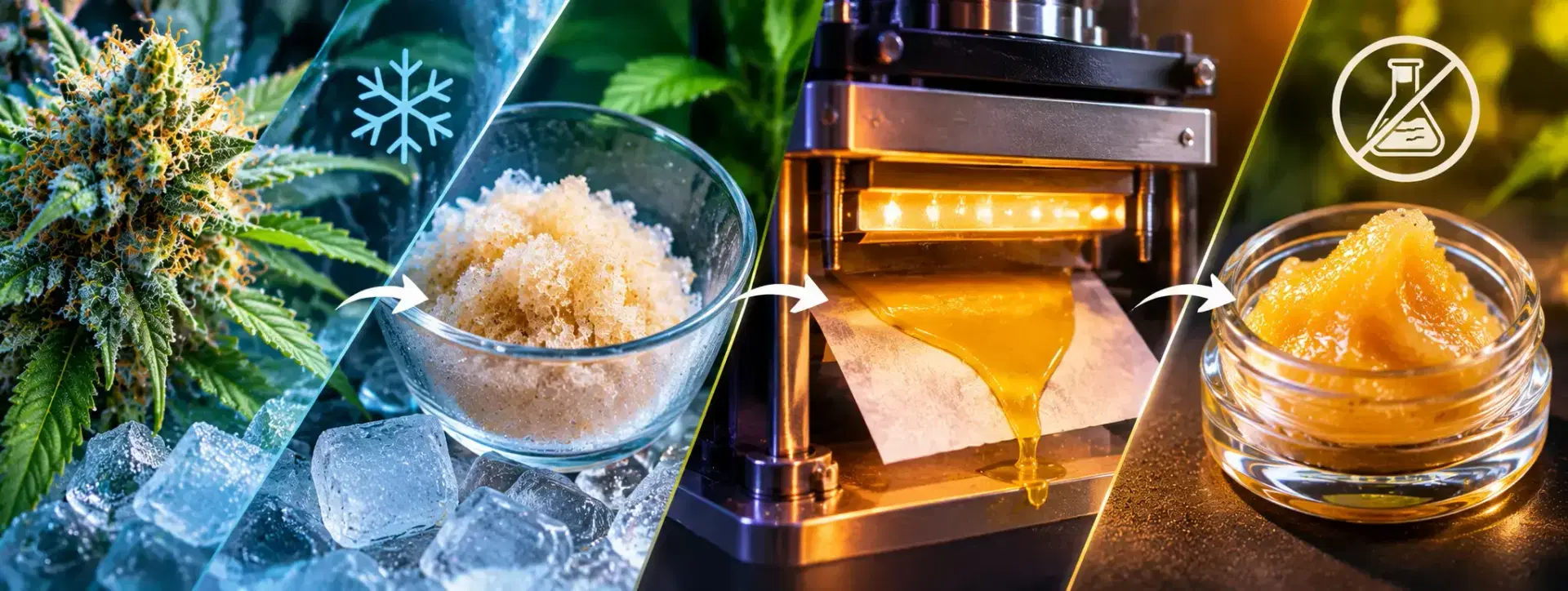
Live resin and live rosin aren't the same thing. Yes, they're both cannabis concentrates, but they differ in how they're made and the experience they may offer. Both these concentrate types start with fresh-frozen cannabis. However, live resin uses solvent-based extraction , usually with hydrocarbons such as butane or propane. Live rosin uses solventless extraction , relying on ice water, filtration, heat, and pressure to collect and press resin-rich trichomes. These different extraction methods can affect the final product's texture, flavor, and aroma. They also influence production costs, which is one reason live rosin often comes with a higher price tag. Still, neither concentrate is automatically stronger or better. It depends on the specific product, its lab results, and what matters most to you. If you're new to concentrates, it helps to understand what cannabis concentrates are . From there, comparing live resin and live rosin becomes much easier. Live Rosin vs. Live Resin: TL; DR:  The One-Table Answer Short on time? This table shows the main differences between live resin and live rosin at a glance. Each one gets a closer look in the sections below. Live Resin Live Rosin Extraction method Solvent-based, usually with hydrocarbons such as butane or propane. The solvent is removed afterward. Solventless. Uses ice water, filtration, heat, and pressure. Starting material Fresh-frozen cannabis, extracted directly. Fresh-frozen cannabis, first separated into ice water hash and then pressed. Common formats Sauce, sugar, badder, crumble, diamonds, vape cartridges, and infused products. Fresh press, cold cure, badder, jam, and some vape cartridges and infused products. Texture Ranges from runny sauce to grainy sugar to creamy badder. Ranges from sappy fresh press to soft, creamy badder or jam. Flavor Often rich in terpenes and aroma. Varies by strain and batch. Often described as clean and true to the plant, though that comes down to taste. Varies by strain and batch. THC potency Often high but varies by productbetween 65% and 85%. Often higher, typically between 70% and 85% but varies by product. Typical price Generally lower. Typically,$20 to $65 depending on the state. Generally higher, usually between $30 to $80 or higher, due to more labor, smaller batches, and lower yields. Note: You can shop live resin and live rosin concentrates at JARS Arizona, Michigan, and Colorado. Apart from that, you’ll find live resin and rosin-infused edibles (e.g., gummies), vapes, flowers, and pre-rolls as well. Choose the right one for you based on your lifestyle and preference. How Are Live Resin and Live Rosin Made Differently? As has been said, both live resin and live rosin start with fresh-frozen cannabis, but the extraction process takes a different route. Live resin uses solvents to separate the desirable compounds from the plant material. Live rosin, on the other hand, relies on ice water, filtration, and pressure. Here's a closer look at how each one is made. How Live Resin Is Extracted Live resin is typically made by extracting fresh-frozen cannabis with hydrocarbon solvents such as butane or propane. These solvents help separate cannabinoids and terpenes from the plant material. The extract then goes through a purging process to remove residual solvents before it's finished and packaged. Reputable products should also undergo lab testing for residual solvents and other contaminants. One detail worth knowing: not all resin is live resin. Cured resin is also solvent-extracted, but it starts with dried or cured cannabis instead of fresh-frozen material. That difference in starting material is what separates the two. You can read more about what live resin is and how it's made ! How Live Rosin Is Made Live rosin takes a different approach. Producers first use ice water and filtration to separate resin-rich trichomes from fresh-frozen cannabis. The collected material, often called bubble hash, is then dried and pressed with controlled heat and pressure to produce live rosin. No chemical extraction solvents are used in this process. However, solventless doesn't automatically mean purer or safer. Product quality still depends on the starting material, processing conditions, and proper testing. If you want a closer look at the process, including different live rosin textures and forms, see our guide to what live rosin is and how it's made . 6 Key Differences Between Live Rosin and Live Resin Live resin and live rosin may look similar on a product menu, but a closer look reveals some important differences. Their starting material, extraction process, final texture, and production costs all play a part. Here's what to consider when comparing the two. 1. Starting Material and Production Yield Both live resin and live rosin typically start with fresh-frozen cannabis. Freezing the harvested plant material helps preserve its original cannabinoid and terpene profile before extraction. The main difference comes down to what happens next. Live resin uses hydrocarbon solvents to separate cannabinoids and other desirable compounds from the plant material. Live rosin takes more processing. Producers first wash the frozen material to collect trichome-rich hash, then dry and press that hash into rosin. This extra processing affects production yield. Live rosin production can involve significant material loss during washing, filtration, and separation. Only certain trichomes make it into the final hash, and not all collected hash produces the same amount of rosin. Live resin extraction generally allows producers to recover a broader range of extractable compounds from the starting material. In simple terms, live rosin often requires more starting material and processing to produce a smaller amount of finished concentrate. That difference also helps explain why it usually costs more . 2. Terpenes, Flavor, and Aroma Both live resin and live rosin can retain the terpenes responsible for cannabis's distinct flavor and aroma. However, their extraction methods can influence how those aromas come through in the final product. Live resin often has a bold, pronounced aroma, with notes of gas, diesel, citrus, or spice. Its terpene content can range from around 4% to 12% or higher , depending on the strain and batch. Live rosin can also have a rich terpene profile, with reported levels around 6% to 10% or higher . Its aroma is often described as more rounded, with earthy, herbal, floral, or creamy notes . Please note that these data aren't hard rules. A flavorful live resin can be just as complex as live rosin, and neither type consistently has more terpenes. The actual profile depends on the cultivar, processing, and storage. If flavor matters to you, check the product's terpene breakdown and look for compounds such as myrcene, limonene, caryophyllene, and linalool. 3. THC Potency: Which Is Stronger? Neither live resin nor live rosin is automatically stronger. Both can contain high levels of THC, but the actual percentage depends on the cultivar, starting material, extraction process, and final product. As a general market estimate, live resin commonly falls around 65% to 85% THC , although some high-potency products can go beyond that. Live rosin often falls around 70% to 85% THC , but individual products can fall outside this range. THC-rich live resin diamonds may reach approximately 90% to 95% THC . These are broad product estimates, not fixed standards or guaranteed ranges. So, does live resin have more THC than live rosin? Not necessarily. A 78% THC live rosin can have a higher listed potency than a 68% THC live resin. The same applies in reverse. The easiest way to compare two products is to look at their batch-specific certificate of analysis (COA) . Check the total THC percentage rather than relying on the concentrate type or product name. Also remember that a higher THC percentage doesn't automatically mean a better product or a better experience. Source: Addiction Technology Transfer Center Network , Cannabis 101 4. Texture and Appearance Live resin and live rosin come in several textures, so you won't always be able to tell them apart by appearance alone. Live resin commonly appears as a sticky sauce, sugary crystals, creamy badder, or a more solid concentrate . Products such as live resin diamonds may have visible crystals suspended in a terpene-rich sauce. Live rosin can also vary quite a bit. Depending on how it's processed and stored, you may find fresh press, cold cure, badder, jam, or a creamy, buttery consistency . Some products are smooth and easy to scoop, while others have a thicker or more crystalline appearance. Color isn't a reliable way to judge quality, either. Both concentrates can range from light gold to darker shades. The cultivar, processing conditions, and storage all influence the final appearance. A lighter color doesn't automatically mean a cleaner or better product. 5. Price and Production Costs If you've compared products at a cannabis store, you've probably noticed that live rosin often costs more than live resin. The difference isn't simply because one is solventless. It also comes down to the time, labor, and material needed to make it. Live rosin production involves several stages, and each adds to the cost: More processing: Ice water separation, filtration, drying, and pressing require additional time and careful handling. Lower production yield: Not all collected trichomes become finished rosin, so producers may need more starting material to make the same amount. More hands-on work: Small-batch production and careful handling can increase labor and equipment costs. Live resin, on the flip side, is generally more scalable because hydrocarbon extraction can process larger amounts of cannabis more efficiently. This often makes it the more affordable option. So, how much do live resin and live rosin cost per gram? As a general market estimate, live resin often costs around $20 to $65 per gram, while live rosin typically ranges from $30 to $80 per gram. Prices vary by state, brand, product quality, and availability. Here's an approximate look at the differences across three JARS markets: State Live Resin (per gram) Live Rosin (per gram) Michigan $25–$40 $30–$50 Arizona $25–$35 $40–$55 Colorado $20–$40 $35–$55 These are estimated market ranges based on tracked dispensary pricing as of November 2026, not fixed prices or JARS product quotes. Promotions, taxes, brand positioning, and product availability can all change what you pay. A premium small-batch rosin, for example, may cost considerably more than a standard live resin product. Source: Aggregated dispensary pricing estimates, November 2026. 6. Lab Testing and Product Quality Extraction method also affects what you should look for in a product's lab results. Since live resin uses hydrocarbon solvents, residual solvent testing is important. Proper processing includes removing extraction solvents, and finished products should be tested to check whether any residuals remain within the applicable limits. Live rosin doesn't use chemical extraction solvents, so residual solvent testing isn't the same concern. However, solventless extraction doesn't make a product free from other contaminants. Both live resin and live rosin can still require testing for pesticides, heavy metals, and microbial contaminants, depending on the applicable state requirements. For example, Michigan's Cannabis Regulatory Agency provides technical guidance for sampling and testing marijuana products. Colorado's regulations distinguish between solvent-based concentrates and concentrates made using water, heat, or pressure when setting testing requirements. Arizona also establishes limits for residual solvents and other contaminants. A COA can help you check THC potency, terpene results, and the contaminants included in the laboratory's testing panel. However, it doesn't tell you everything about a product. It won't automatically confirm its flavor, freshness, or overall quality. Always check the batch number and make sure the report matches the product you're considering. Live Resin vs. Live Rosin Carts: What's the Difference? Live resin and live rosin cartridges use the same basic concentrate types discussed above, but the product label doesn't always tell you the whole story. Both can start with fresh-frozen cannabis, yet their extraction methods, oil consistency, and production costs differ. Here are a few things worth checking before choosing one: Extraction method: Live resin oil is typically extracted using hydrocarbons such as butane or propane. Live rosin oil is made by pressing hash with heat and pressure, without chemical extraction solvents. Terpene source: Check whether the terpenes come naturally from the cannabis extract or are added separately. Added terpenes may be cannabis-derived or botanical. Oil consistency and hardware: Live rosin oil can be thicker, depending on its formulation. Cartridge design, heating elements, and temperature settings can affect how smoothly it flows and vaporizes. Price and availability: Live resin carts are generally more affordable and widely available. Live rosin carts often cost more because of their labor-intensive production and lower yields. Lab results: Check the COA for cannabinoid potency, terpene content, and applicable contaminant testing. Make sure the batch information matches the cartridge you're considering. Live Resin vs. Live Rosin vs. Distillate: How Do They Compare? Unlike live resin and live rosin, distillate is refined to isolate specific cannabinoids, usually THC. The process removes much of the plant's original terpene profile. Producers may add cannabis-derived or botanical terpenes afterward to give the finished product a particular flavor. Distillate often contains 85% to 99% THC , but a higher percentage doesn't automatically mean a better or stronger overall experience. Live resin and live rosin retain more of the plant's original aromatic compounds, which can make their flavor profiles more closely reflect the source cultivar. Distillate may be a better fit if you: Prefer high THC concentrations over a naturally retained terpene profile. Want a more straightforward or customized flavor from added terpenes. Look for budget-friendly vape cartridges or edibles . Prefer products with less pronounced natural cannabis flavor and aroma. Live Rosin Vs. Resin: Which One to Choose? So, should you choose live resin or live rosin? Start with how you want to feel. Most people don’t pick a concentrate for its extraction method. They pick it for the experience, whether that’s feeling more uplifted, calm, or composed. Price, flavor, and format all matter, but none of them count for much if a product doesn’t suit you. Some consumers describe live resin as more pronounced and full-bodied, and live rosin as smoother or more rounded. These are subjective impressions, not predictable effects of the extraction method. Your experience depends more on the specific product, its cannabinoid and terpene profile, and your individual response. That’s why the label and COA tell you more than the category name does. When a product works well for you, note its brand, cultivar, and batch so you can look for similar profiles next time. If you’re trying a concentrate for the first time, start with a small amount and give it time. Once you know the experience you’re after, a few practical factors can help you narrow it down: flavor, format, and budget. Here’s how to decide. When Live Resin May Be a Better Choice Consider live resin if you: Prefer a more pronounced experience: Some consumers describe live resin as fuller or more noticeable. However, this isn’t guaranteed and depends on the product’s composition and your response. Enjoy bold flavor and aroma: Many live resin products are known for strong, terpene-forward flavor, although the actual profile depends on the cultivar and batch. Want a range of formats: Live resin comes in textures such as badder, sugar, sauce, and diamonds, and it’s widely available in vape cartridges. Want to manage your budget: Live resin generally costs less than live rosin, which makes it worth considering if price is a factor. When Live Rosin May Be Worth the Higher Price Consider live rosin if you: Prefer a smoother-feeling experience: Some consumers describe live rosin as more rounded or balanced. Individual experiences vary, and the extraction method alone doesn’t determine the effects. Enjoy fresh, cultivar-specific flavor: You may like picking out the differences in aroma and flavor between live rosin products. Prefer solventless extraction: Live rosin is made without chemical extraction solvents, using ice water separation, filtration, heat, and pressure instead. Don’t mind a higher price: The more involved production process and typically lower yields can make live rosin more expensive, and many shoppers see it as a premium option. What Should You Look for When Buying Live Resin or Live Rosin? Before choosing a product, check a few details beyond its name and THC percentage. Check the extraction method: Look for live resin made with hydrocarbon extraction or live rosin made through solventless processing. Both should start with fresh-frozen cannabis. Read the ingredients: Check whether the product contains only cannabis extract or includes added cannabis-derived or botanical terpenes. Match the batch number: Make sure the product's batch or lot number matches its certificate of analysis (COA). Review the lab results: Check THC potency, terpene content, and contaminant testing. For live resin, pay particular attention to residual solvent results. Buy from a licensed cannabis dispensary that can provide product and batch information. These checks help you understand what you're actually buying. Explore Live Resin and Live Rosin Concentrates and Vapes at JARS Looking for live resin, live rosin, distillate, or vape cartridges? Explore the concentrate selection at JARS and compare available products, potency, and lab results before choosing. We serve customers across Michigan , Arizona , and Colorado , with online ordering options that vary by location. Find a JARS dispensary near you to check local availability and shop for in-store pickup, curbside pickup, or delivery where available. Frequently Asked Questions About Live Resin vs. Live Rosin 1. Are Live Resin and Live Rosin the Same Thing? No. Both typically start with fresh-frozen cannabis, but their extraction methods differ. Live resin uses hydrocarbon solvents such as butane or propane. Live rosin uses ice water separation, filtration, heat, and pressure without chemical extraction solvents. 2. Does Live Rosin Have More Terpenes Than Live Resin? Not necessarily. Live resin typically contains around 4% to 12% or more terpenes , while reported live rosin levels range from 6% to 10% or more . These aren't fixed averages. The cultivar, processing, and individual batch make a bigger difference. 3. Does Live Resin Have More THC Than Live Rosin? Not always. Live resin commonly ranges from 65% to 85% THC , while live rosin often falls around 70% to 85% . But some live resin diamonds can reach 90% to 95%. You should check the product's COA for its actual THC percentage. 4. How Is Live Resin and Rosin Different from Wax? Wax describes a concentrate's texture, not its extraction method. Live resin and live rosin can both have waxy or badder-like consistencies. The main difference is how they're made: live resin uses solvents, while live rosin is solventless. 5. Why Is Live Rosin More Expensive Than Live Resin? Live rosin takes more processing, hands-on work, and starting material to produce. Washing, filtering, drying, and pressing trichomes also result in lower yields. Live resin production is generally more scalable, which helps keep its price lower. 6. Is Live Rosin Safer Than Live Resin? Not automatically. Live rosin doesn't use chemical extraction solvents, but it can still contain other contaminants. Properly processed live resin should also undergo residual solvent testing. Check the COA for relevant contaminant results rather than judging safety by extraction method alone. 7. Can You Use Live Resin and Live Rosin in the Same Way? Yes, in many cases. Both are available as concentrates for dabbing and as vape cartridges. However, their textures and formulations can differ. Follow the product's instructions and use compatible hardware. Availability also varies by brand and market.

JARS Team
Read article
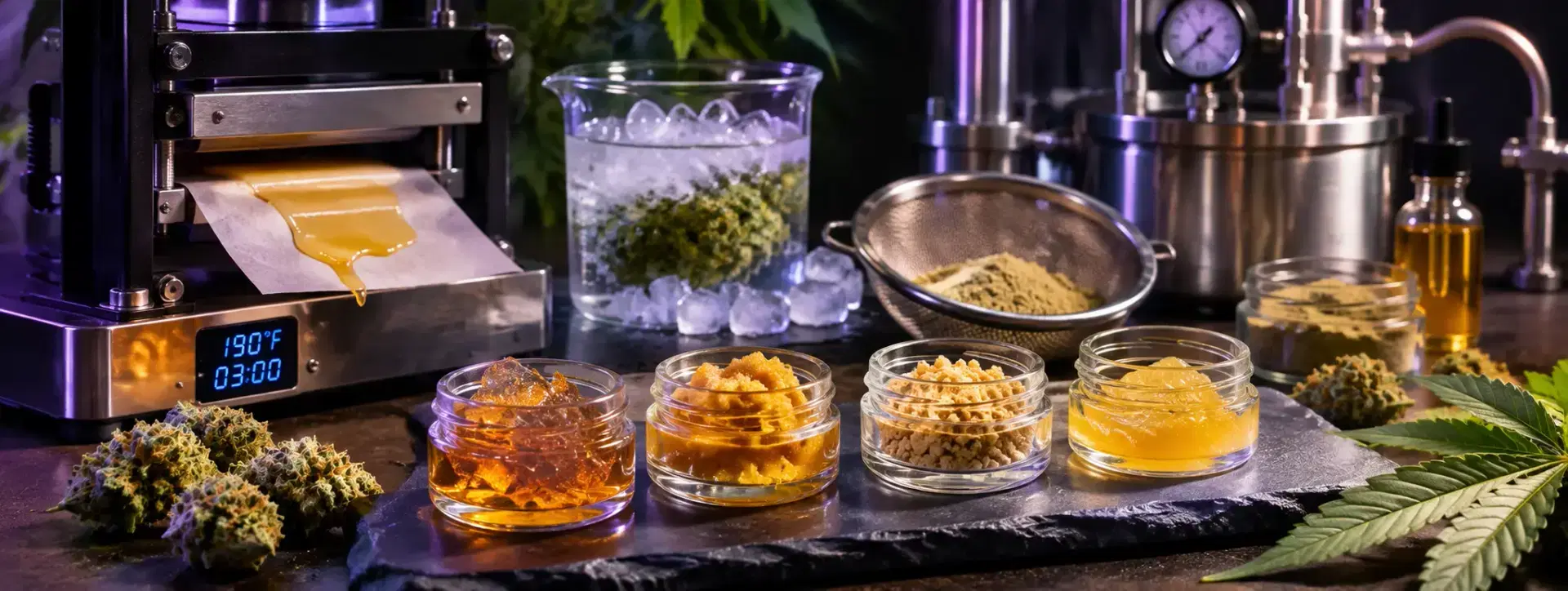
Live rosin production using fresh-frozen cannabis, ice water hash, and a rosin press.
Cannabis Concentrates Guides

What Is Live Rosin? Everything You Need to Know in 2026

Live rosin is a solventless cannabis concentrate made by pressing resin-rich hash from fresh-frozen cannabis . Its defining feature starts with how producers handle the plant after harvest. Instead of drying and curing the flower first, they freeze it to help preserve its fresh chemical profile. They then separate the resin-rich trichomes and press the resulting hash with controlled heat and pressure. The result is a concentrated extract containing cannabinoids and terpenes from the original plant. Unlike traditional rosin, which can come from dried flower or hash, live rosin starts with fresh-frozen cannabis. It also differs from live resin , which uses solvent-based extraction. That distinction comes down to the starting material and how producers collect the resin. If you're new to concentrates, you can start by learning what cannabis concentrates are ! What Is Live Rosin Made From? Live rosin starts with two key components: fresh-frozen cannabis and its resin-producing trichomes . The flower provides the starting material, while the trichomes contain much of the plant's valuable resin. Producers separate these structures before pressing them into a concentrate. Understanding both helps explain what makes live rosin different. Fresh-Frozen Cannabis The word live refers to how producers handle cannabis after harvest. They freeze the freshly harvested plant material instead of drying and curing it first. This helps preserve a chemical profile closer to the plant's fresh state. It also gives producers the starting material needed for ice water hash extraction. The reason matters more than the name. Cannabis contains volatile aromatic compounds called terpenes, which can change or dissipate during drying, curing, and storage . Monoterpenes such as myrcene, limonene, and pinene are particularly prone to evaporation. Freezing slows many of these changes, but it does not preserve every compound perfectly. A 2026 study comparing cannabis flower drying methods found that freeze-drying preserved trichome structure and visual quality. However, it also caused substantial losses of volatile monoterpenes. The study examined dried flower, not live rosin production, so its findings should not be treated as a direct comparison of extraction methods. Still, it reinforces one important point: freezing or freeze-drying does not guarantee complete terpene preservation . Fresh-frozen cannabis also serves a specific purpose in production. Producers use it to make ice water hash, which they later press into rosin. They do not usually press the frozen flower directly. Trichomes and Cannabis Resin Trichomes are tiny structures on cannabis flowers that produce and store resin. They give mature flower its familiar frosted appearance. More importantly, their resin contains cannabinoids such as THCA and CBDA, along with terpenes and other plant compounds. Cannabis has several types of glandular trichomes, but capitate-stalked trichomes are especially important in resin production . They have a prominent stalk and a rounded glandular head. These structures are abundant on female cannabis flowers and contain high concentrations of cannabinoids. Smaller bulbous and capitate-sessile trichomes also occur across the plant. A 2021 review in Frontiers in Plant Science describes glandular trichomes as the main sites of cannabinoid production and storage. Research published in The Plant Journal also found that stalked trichomes on mature flowers contain higher cannabinoid levels than sessile trichomes. However, trichome development and chemical composition vary by cultivar and flower maturity. So, appearance alone cannot tell you exactly how much resin a plant will produce. This is why trichomes matter so much to live rosin makers. They want to separate these resin-filled structures from the surrounding plant material. The collected material becomes bubble hash, also known as ice water hash, before producers press it into rosin. How Is Live Rosin Made? Making live rosin involves more than pressing cannabis under heat. Producers first freeze freshly harvested flower, then separate its resin-rich trichomes using ice water. They carefully dry the collected hash before pressing it into a concentrate. Each stage affects the final product. Starting material, trichome maturity, moisture removal, filtration, and pressing conditions all play a role. Most importantly, live rosin is pressed from hash, not directly from frozen flower . Harvesting and Freezing Fresh Cannabis Live rosin production begins with freshly harvested cannabis. Producers handle the flower carefully and freeze it soon after harvest. This skips the traditional drying and curing stage before extraction. Why freeze it so early? Fresh cannabis contains delicate aromatic compounds, including volatile terpenes. These compounds can change or dissipate during post-harvest handling. Freezing slows many of these changes and helps maintain a profile closer to the freshly harvested plant. However, freezing does not lock in every compound or guarantee a particular flavor. Cultivar genetics, harvest timing, handling, and storage conditions still matter. The quality of the starting flower sets the foundation, but it does not determine the finished rosin on its own. Separating Trichomes Through Ice Water Hash Extraction Next, producers separate the trichomes from the frozen plant material. They use ice water, gentle agitation, and filtration instead of chemical extraction solvents. Cold conditions help make the resin glands more brittle, allowing them to detach from the plant material. The mixture then passes through filter bags fitted with different micron-sized mesh screens. Each screen separates particles based on size. Producers collect the resin-rich material and consolidate it into bubble hash, also called ice water hash. Micron measurements describe the openings in these screens, not the size or quality of the finished rosin. Producers may use several mesh sizes to separate different fractions. However, there is no single micron range that guarantees premium hash. Trichome maturity, resin quality, and the amount of unwanted plant material all affect the result. Collecting more hash does not automatically mean producing better live rosin. The goal is to collect resin-rich trichomes while limiting plant debris. Drying and Preparing the Hash After filtration, producers collect wet bubble hash. But it cannot go straight into the rosin press. The material still contains water, which needs to be removed before pressing and storage. Many producers use freeze-drying, also called lyophilization, to remove moisture under controlled conditions. The process freezes the material and lowers the surrounding pressure. This allows ice to turn directly into water vapor through a process called sublimation, rather than melting into liquid water first. It helps remove moisture without relying on prolonged exposure to heat. Some producers also break the wet hash into smaller pieces before drying. This can help moisture escape more evenly. Proper drying matters because trapped moisture can affect pressing and encourage microbial growth during storage. Research on cannabis post-harvest processing also shows why drying conditions deserve attention. A 2021 review in the Journal of Cannabis Research identifies temperature, humidity, airflow, and drying time as important factors in preserving cannabis compounds. However, much of that research examines cannabis flower rather than bubble hash specifically. It supports careful moisture control, but it does not establish one universal method for producing better live rosin. Pressing Hash into Live Rosin Once the bubble hash is properly dried, producers can press it into live rosin. They place the hash inside a fine-mesh filter bag, then apply controlled heat and mechanical pressure using a rosin press. The pressure releases resin from the collected trichomes, allowing it to flow out as a concentrated extract. Filter bag size matters here, too, but it serves a different purpose from the screens used during ice water extraction. The bag helps contain the hash while allowing the resin to flow through. Some commercial equipment guides recommend roughly 165°F to 195°F for pressing hash, but this is an illustrative range, not an industry-wide standard. The ideal conditions depend on the starting material, equipment, and desired consistency. The balance between heat and pressure matters. Excessive heat can cause volatile terpenes to evaporate and change the extract's aroma. However, lower temperatures do not automatically produce better rosin. Starting hash quality and pressing conditions both influence the result. The extract may come out with a fresh-pressed, sappy consistency. Producers can then handle and cure it further to create textures such as badder or jam. These finishes affect how the rosin looks and handles, but they do not change its basic extraction method. What Is the Difference Between Live Rosin and Regular Rosin? The biggest difference between live rosin and regular rosin is the cannabis used to make them. Live rosin starts with fresh-frozen cannabis, while regular rosin usually comes from dried flower or hash. Both use heat and pressure instead of chemical extraction solvents. However, their starting materials can affect the final aroma, texture, and chemical profile. Here's a closer look: Feature Live Rosin Regular Rosin Starting material Fresh-frozen cannabis Usually dried flower or hash Preparation Flower is first processed into hash Flower or prepared hash is pressed Extraction method Heat and pressure Heat and pressure Solvent use Solventless Solventless Final profile Influenced by fresh-frozen starting material Influenced by the dried flower or hash One detail often gets lost in this comparison: regular rosin isn't a precise technical category. People often use it to mean flower rosin pressed from dried cannabis. However, rosin can also come from dried hash, including dry sift and bubble hash. The starting material tells you more than the word regular. The starting material also helps explain the difference in production costs. Flower rosin can go straight into a press, so it skips the separate hash-making stage. Live rosin requires fresh-frozen cannabis, ice water separation, careful drying, and another pressing step. Producers also need to account for the material lost during each stage. These factors can make live rosin more labor-intensive and expensive to produce. The final texture and composition can differ, too. Pressing whole flower may carry more plant-derived material into the extract than pressing carefully separated hash. That can affect color, residue, and how the rosin behaves when heated. However, you shouldn't assume every live rosin product melts cleanly or every flower rosin leaves heavy residue. Starting material, filtration, and processing all matter. Learn more: Live Resin Vs. Live Resin What Is the Difference Between Live Rosin and Distillate? Live rosin and distillate are both cannabis concentrates, but their production goals are quite different. Live rosin is pressed from hash to retain a broader profile of compounds from its starting material. Distillate is refined to concentrate specific cannabinoids, often THC . Distillate production typically begins with solvent-based extraction. Producers then refine the extract through additional processing, including distillation. This separates and concentrates selected cannabinoids. It can also remove many of the original terpenes and other plant compounds. Some manufacturers add terpenes back afterward to create a particular aroma or flavor. Live rosin takes a less refined approach. Producers separate trichomes from fresh-frozen cannabis and press the resulting hash. The finished extract can retain naturally occurring cannabinoids and terpenes from the starting material. Their amounts still vary with the cultivar and production process. Feature Live Rosin Distillate Production Pressed from hash Extracted and further refined Extraction approach Solventless Typically solvent-based Main focus Retaining a broader plant-derived profile Concentrating selected cannabinoids Terpenes Naturally present, but amounts vary Often removed during refinement; may be added back Consistency Can range from buttery to saucy Often thick, oily, or viscous Cannabinoid profile Varies with the starting material Often concentrated in a target cannabinoid THC content Varies by product Often highly concentrated in THC Terpene source is another detail worth checking. Live rosin contains terpenes carried over from its cannabis starting material. Distillate products may use botanical terpenes from non-cannabis plants, cannabis-derived terpenes, or a combination. The product label or manufacturer can help clarify which type it contains. Added terpenes aren't automatically inferior, but they don't necessarily recreate the original plant's chemical profile. You may also hear the term entourage effect when people discuss full-spectrum extracts. It describes the proposed interaction between cannabinoids, terpenes, and other cannabis compounds. Some consumers prefer extracts with a broader plant-derived profile for this reason. However, scientists haven't established that these compounds always work together to produce stronger or better effects in humans. It's best to treat the entourage effect as a proposed explanation, not a guaranteed benefit of live rosin. Potency is another important distinction. Distillate often has a higher THC percentage because its production concentrates a specific cannabinoid. Live rosin can contain a broader mix of compounds, but its THC content varies. A higher THC percentage doesn't automatically mean a better product or predict someone's experience . The two concentrates reflect different production goals, so comparing them by THC alone misses much of the picture. Live Rosin vs. Hash Rosin: Are They the Same? Yes. Live rosin is a type of hash rosin, but not all hash rosin is live rosin . Both are made by pressing separated cannabis resin with heat and pressure. The difference comes down to the material used to make the hash. Live rosin starts with fresh-frozen cannabis. Producers separate its trichomes before pressing the resulting hash. Hash rosin is a broader term. It can come from hash made with fresh-frozen cannabis or from dried and cured flower. The hash itself can also be collected in different ways. Two common starting materials are: 1. Ice water hash (bubble hash) : Producers use cold water, agitation, and filtration to separate trichomes from plant material. 2. Dry sift : Producers use screens or mesh to separate resin-rich trichomes from dried cannabis without water. Both methods can produce hash for pressing. However, the starting material still determines whether the resulting rosin qualifies as live rosin. Dry sift made from dried flower, for example, can produce hash rosin, but it isn't live rosin. Feature Live Rosin Hash Rosin Starting material Fresh-frozen cannabis Fresh-frozen or dried cannabis Intermediate material Hash made from fresh-frozen cannabis Ice water hash or dry sift, among other hash types Pressing method Heat and pressure Heat and pressure Relationship A specific type of hash rosin Broader category that includes live rosin You may also see products labeled live hash rosin. The name emphasizes both parts of the process: producers make hash from fresh-frozen cannabis, then press it into rosin. It's useful terminology, but the label alone doesn't tell you everything about the product's quality. What Does Live Rosin Look Like? Live rosin doesn't have one standard look. Depending on the starting material and how it's handled after pressing, it can appear pale yellow, golden, or amber . Its consistency can range from glassy and sticky to soft, creamy, or syrupy. Some varieties even contain small, visible crystals . Color and texture tell you more about the product's consistency than its overall quality. A lighter shade doesn't automatically mean better rosin. Different cannabis cultivars naturally produce different resin colors, and processing conditions can change the final appearance. Heat, oxygen, and light exposure can also contribute to color changes over time. So, don't judge a jar by color alone. Look at its texture, storage conditions, product information, and available lab results. A clean-looking concentrate isn't necessarily free from contaminants, just as a darker shade doesn't automatically mean something is wrong. What Are the Different Types of Live Rosin? The different types of live rosin usually refer to their texture and post-press handling , not separate extraction methods. Producers can start with the same general hash rosin process and create different consistencies through curing and other finishing steps. Here are the forms you're most likely to encounter. You can also learn about the different types of concentrates if you're new! Fresh Press Live Rosin Fresh press is live rosin in its relatively unaltered state, straight after pressing. It often looks translucent or glassy, with a sticky, sap-like consistency. Depending on the product, it may also have a golden or pale amber color. This texture can change after pressing. Exposure to air, temperature changes, and time can affect its consistency. Fresh press may become cloudier or develop a softer texture as it ages. It also tends to be more sensitive to handling and storage than some cured forms. Cold Cure Live Rosin Cold cure starts as freshly pressed rosin, then undergoes a controlled curing process. Producers typically seal the extract in a container and allow its texture to develop under cool conditions. Over time, it often becomes thicker, softer, and more opaque. The finished product usually has a creamy or dough-like consistency. It may look similar to soft butter or frosting. Cold curing can also change how the extract handles, making it easier to scoop and work with. However, the exact texture depends on the starting rosin and the producer's process. Live Rosin Badder Live rosin badder has a soft, creamy consistency that resembles cake batter or whipped butter. It is usually opaque and easy to scoop, rather than sticky or glass-like. Its texture often develops through curing and controlled agitation or whipping. You may also see it labeled budder. These terms often describe similar creamy concentrate textures, although producers don't always use them consistently. Badder can be a result of cold curing, so the two labels aren't necessarily separate product categories. One describes a curing approach, while the other describes the resulting consistency. Live Rosin Jam Live rosin jam has a glossy, sticky consistency that resembles thick fruit preserves. It may contain small crystalline structures suspended in a terpene-rich liquid. Depending on the product, it can look translucent, golden, or amber. This texture develops as the extract's components separate and organize during post-processing. The visible crystals may contain THCA, while the surrounding liquid holds a mixture of terpenes and other compounds. However, not every jam has the same crystal size or liquid-to-solid ratio. Some products look almost entirely saucy, while others appear thicker and more crystalline. Live Rosin Diamonds Live rosin diamonds contain visible crystalline structures, often surrounded by a terpene-rich liquid. The crystals are typically associated with THCA, which can form a more solid structure under certain processing and storage conditions. The surrounding material gives the product a glossy, sauce-like appearance. The term live rosin diamonds isn't used consistently across the cannabis market. Some products use it to describe a crystal-rich rosin texture, while others may use similar names for different concentrate formats. Don't assume every product labeled diamonds follows the same production method. Check the product description to understand whether it is genuinely solventless rosin. How Strong Is Live Rosin? Live rosin is a highly concentrated cannabis extract, often containing substantially more THC than traditional flower. However, there is no fixed THC range for every live rosin product . Potency depends on the starting cannabis, extraction process, and finished product. The most reliable way to check is to review its label and Certificate of Analysis (COA). For context, Washington State's Liquor and Cannabis Board reports that cannabis concentrates generally contain around 60% to 90% THC . This range covers several concentrate types, not live rosin alone. A 2025 study published in Scientific Reports also found considerable variation across commercial cannabis products. The researchers tested 99 concentrates purchased from Colorado retailers and found differences between labeled and measured THC levels. So, don't assume every jar will fall within the same range. How Does Live Rosin Feel? The experience depends on several factors, including THC concentration, the amount consumed, individual tolerance, and the product's cannabinoid profile. Some consumers describe live rosin as a fuller experience with pronounced aroma and flavor. Others report feeling relaxed, euphoric, uplifted, or physically heavy . These descriptions reflect personal experiences, not effects guaranteed by the product. Cannabis affects people differently. According to the National Institutes of Health , THC can produce relaxation and euphoria, but it can also alter time perception, memory, coordination, and thinking. Higher amounts may cause anxiety, panic, or paranoia, particularly in people with limited cannabis experience. Consumers commonly report experiences such as: Relaxation: A feeling of physical ease or reduced tension. Euphoria: A noticeable lift in mood or sense of enjoyment. Altered perception: Changes in time perception, sensory awareness, or concentration. Heaviness or drowsiness: Some people describe feeling physically relaxed or sleepy. Anxiety or paranoia: Higher THC exposure can also cause racing thoughts, uneasiness, or panic. How Is Live Rosin Used? Live rosin is primarily used through dabbing and concentrate-compatible vaporizers . Some consumers also combine it with cannabis flower or use it in infused products. The right format depends on the product and the equipment designed for it. Here are the common ways live rosin appears in cannabis products: Dabbing: A dab rig heats a small amount of concentrate and turns it into an inhalable aerosol. Live rosin badder, jam, and fresh press are common formats used this way. Vaping: Concentrate-compatible vaporizers and certain cartridges are designed for rosin. Not every cannabis vape device can handle a sticky concentrate, so product and device compatibility matters. Adding to flower: Some consumers combine live rosin with ground flower in a bowl or joint. This creates a flower-and-concentrate product rather than a standard flower-only experience. Infused edibles: Live rosin can also be used in commercially prepared cannabis edibles. These products deliver THC through digestion rather than inhalation, so their onset and duration differ. What Should You Look for When Buying Live Rosin? A good-looking jar doesn't always mean good-quality rosin. Before shopping live rosin , look beyond the THC percentage and marketing claims. These details offer a better picture of what you're buying: 1. Check the Certificate of Analysis (COA): Review the cannabinoid profile and available contaminant testing. Look for batch-specific results from a licensed, independent laboratory. 2. Check the starting material: Look for products made from fresh-frozen cannabis. If the cultivar is listed, you can better understand the expected aroma and flavor profile. 3. Consider the texture: Fresh press, badder, and jam naturally look different. Check whether the consistency matches the product description rather than expecting every jar to look alike. 4. Pay attention to aroma: A noticeable, natural cannabis aroma can tell you something about its terpene profile. However, smell alone cannot confirm freshness or purity. 5. Look at storage and packaging: Properly sealed, temperature-appropriate storage helps protect delicate compounds. Check the package date and follow the manufacturer's storage guidance. One last thing: Don't judge live rosin by color or THC percentage alone. Neither tells the whole quality story. Explore Different Types of Concentrates at JARS JARS offers a variety of cannabis concentrates , including live resin, live rosin, RSO, shatter, and wax. Find a JARS location in Michigan , Arizona , or Colorado   and explore the available selection in person. You can also browse products and order online. Every product is lab-tested, and you can review its Certificate of Analysis (COA) through the JARS product testing results portal . Live Rosin FAQS 1. Does Live Rosin Contain THC or THCA? Live rosin can contain both THC and THCA. The exact amounts depend on the product and its processing. A lab-tested Certificate of Analysis (COA) can show the cannabinoid profile of a specific batch. 2. Why Does Live Rosin Cost More? Live rosin often costs $30 to $80 per gram. Comparatively, it's pretty high because its production involves fresh-frozen cannabis, ice water hash extraction, careful drying, and controlled pressing. These steps require more time and starting material than some other extraction methods, which can increase production costs. 3. Does Live Rosin Need to Be Refrigerated? Refrigeration is commonly recommended to help preserve live rosin's texture and terpene profile. Heat, light, and air exposure can affect its quality. Follow the manufacturer's storage instructions and keep the container sealed between uses. 4. Is Live Rosin Stronger Than Cannabis Flower? Live rosin generally has a higher THC concentration than cannabis flower because extraction concentrates the plant's resin. However, actual potency varies by product. Check the COA for its cannabinoid content rather than assuming every live rosin product has the same strength. References 1. Tanney, Cailun A. S., et al. "Cannabis Glandular Trichomes: A Cellular Metabolite Factory." Frontiers in Plant Science , vol. 12, 2021, article 721986. https://doi.org/10.3389/fpls.2021.721986 2. Livingston, Samuel J., et al. "Cannabis Glandular Trichomes Alter Morphology and Metabolite Content during Flower Maturation." The Plant Journal , vol. 101, no. 1, 2020, pp. 37–56. https://doi.org/10.1111/tpj.14516 3. Pourseyed Lazarjani, Masoumeh, et al. "Processing and Extraction Methods of Medicinal Cannabis: A Narrative Review." Journal of Cannabis Research , vol. 3, 2021, article 32. https://doi.org/10.1186/s42238-021-00087-9 4. Washington State Liquor and Cannabis Board. "Understanding THC Concentration and Potency." Washington State Liquor and Cannabis Board , https://lcb.wa.gov/education/understanding_thc_concentration_and_potency 5. Giordano, Gregory, et al. "Accuracy of Labeled THC Potency across Flower and Concentrate Cannabis Products." Scientific Reports , vol. 15, 2025, article 20822. https://doi.org/10.1038/s41598-025-03854-3 6. National Institute on Drug Abuse. "Cannabis (Marijuana)." National Institute on Drug Abuse, National Institutes of Health , https://nida.nih.gov/research-topics/cannabis-marijuana

JARS Team
Read article
Cannabis concentrates with professional extraction equipment and resin samples
Cannabis Concentrates Guides

How to Make Cannabis Concentrates: Methods, Science, and Safety

Cannabis concentrates are produced by separating resin-rich trichomes from cannabis plant material or extracting their cannabinoids and terpenes using chemical solvents. Common production methods include dry sifting, ice water separation, rosin pressing, and solvent-based extraction. Each technique directly influences the concentrate’s final composition, texture, and terpene profile. Knowing how these methods work helps you compare concentrate types and recognize what affects their yield, purity, and quality. It also explains why commercial solvent extraction requires specialized equipment, closed-loop systems, and strict safety controls, which is why it is best left to licensed producers. In this article, we will discuss how weed concentrates are made, primarily explaining extraction methods, the factors that drive concentrate quality, and how laboratory testing verifies cannabinoid potency while screening for residual contaminants. If you're new to concentrates, you can start by learning the basics of cannabis concentrates . Why the Extraction Method Matters When it comes to making cannabis concentrates, the extraction method you choose really matters as it shapes a concentrate’s chemical composition, texture, and overall quality. It also influences which cannabinoids and terpenes the process captures, along with other plant compounds that may enter the extract. As a result, concentrates made from similar starting material can have different chemical profiles and characteristics. Each method also involves different trade-offs. Mechanical separation uses physical processes to collect resin-rich material, whereas solvent-based extraction uses substances such as hydrocarbons, ethanol, or carbon dioxide (CO₂) to dissolve and separate target compounds. However, neither approach guarantees greater purity or potency on its own. Starting material quality, process control, and post-extraction refinement also affect the final result. Research supports these differences. A 2021 study comparing alcohol-based and supercritical CO₂ extraction from the same cannabis cultivar found differences in the resulting cannabinoid profiles. The researchers also identified variations between individual extraction fractions and highlighted how processing choices can affect the compounds retained in an extract . How Solventless Cannabis Concentrates Are Made Solventless concentrates are made by separating resin-rich material through physical processes or applying heat and pressure. Unlike solvent-based extraction, these methods do not rely on hydrocarbons or alcohols to dissolve cannabinoids and terpenes. Dry sifting, ice water separation, and rosin pressing are three common approaches, each with different inputs and results. The starting material and separation process both influence the final concentrate. Dry Sifting and Kief Collection Dry sifting separates trichomes from dried cannabis flower using screens or micron mesh filters. As the material moves across the screens, detached resin glands pass through the mesh and collect as a powder called kief. Mesh size and flower condition affect how much resin is collected and how much unwanted plant debris enters the final material. Kief can be used on its own or pressed into hashish for further processing. However, a larger yield does not necessarily mean a cleaner concentrate. The goal is to collect resin-rich trichomes while limiting plant particles, since these can affect the final material’s composition and quality. Research also shows how specialized sifting techniques can influence the compounds collected. A 2021 study tested a dry ice assisted method on freshly harvested cannabis, using cold conditions and fine screens to isolate trichomes. The resulting material reached cannabinoid concentrations of up to 60.7%, while retaining monoterpenes found in fresh flower. These findings apply to the specific technique studied, not dry sifting in general. Ice Water Separation and Bubble Hash Ice water separation uses cold water and agitation to detach trichomes from cannabis plant material. The mixture passes through bubble bags with different micron mesh sizes, which help separate resin-rich particles from larger plant debris. The collected material is known as bubble hash or ice water hash. After collection, the hash needs thorough drying because trapped moisture can encourage mold during storage. Some producers use microplaning to break the wet material into smaller pieces, while specialized freeze dryers can help remove moisture under controlled conditions. Neither approach guarantees quality on its own. Trichome maturity, plant debris, and careful handling all affect the final result. Rosin Pressing Rosin pressing uses heat and mechanical pressure to release resin from cannabis flower or previously separated hash. The resulting concentrate is called rosin, with its name reflecting the starting material. Flower rosin comes from cannabis flower, while hash rosin is pressed from hash, such as bubble hash. Using separated hash can reduce the amount of plant material carried into the final extract. Temperature and pressure influence how resin flows and which compounds remain in the concentrate. Excessive heat can cause volatile terpenes to evaporate, changing the final aroma and chemical profile. However, lower temperatures alone do not guarantee better results, since extraction efficiency also matters. Rosin avoids hydrocarbon extraction solvents, but the finished product can still contain contaminants from the starting material or handling process. The main difference between these methods is how they collect resin-rich material. Dry sifting uses screens, ice water separation combines agitation with filtration, and rosin pressing uses heat and pressure . Commercial solvent-based extraction takes a different approach, using solvents to dissolve and separate target compounds from cannabis plant material. How Commercial Solvent-Based Extraction Works Commercial solvent-based extraction for concentrates uses specialized equipment to separate cannabinoids, terpenes, and other compounds from cannabis plant material. Instead of relying on physical separation alone, these methods use a liquid solvent or pressurized fluid to dissolve target compounds and separate them from the plant material. Solvent choice, temperature, pressure, and contact time all influence the resulting extract's chemical profile. Hydrocarbon Extraction: BHO and PHO Hydrocarbon extraction uses light hydrocarbons, mainly butane and propane, to dissolve cannabinoids and aromatic compounds from cannabis. Butane hash oil (BHO) uses butane, whereas propane hash oil (PHO) uses propane. Some commercial processes use blends of both gases. Their different physical properties influence extraction selectivity and help producers create concentrates with textures such as shatter, badder, and crumble. However, these solvents are highly flammable, so commercial extraction demands strict engineering controls. Licensed facilities may use Class I, Division 1 (C1D1) environments and closed-loop extraction systems designed to contain and recover the solvent. Closed-loop equipment helps limit solvent release, but it does not eliminate every hazard. Appropriate ventilation, properly maintained equipment, trained operators, and testing for residual solvents remain important parts of production safety and quality control. Ethanol and CO₂ Extraction Ethanol extraction uses alcohol to dissolve cannabinoids from cannabis plant material. It can support large-scale production, but ethanol may also collect chlorophyll, lipids, and other unwanted compounds. This is especially relevant under warmer extraction conditions. Some commercial processors use chilled or cryogenic ethanol to limit the extraction of certain impurities. A 2024 study reported lower chlorophyll and impurity levels under the specific cryogenic conditions it examined compared with ambient extraction. These findings should not be treated as a guarantee for every ethanol-based process. Carbon dioxide (CO₂) extraction offers a different approach. Under specific temperature and pressure conditions, CO₂ reaches a supercritical state , in which it combines liquid-like density with gas-like flow properties. This allows it to move through plant material and dissolve selected compounds. By adjusting process conditions, producers can influence which compounds enter the extract. Some systems also use ethanol as a co-solvent to change extraction selectivity. CO₂ is nonflammable and can be recovered for reuse, but the equipment must manage high pressures and requires substantial technical investment. The method also does not guarantee a contaminant-free extract. As with ethanol and hydrocarbon extraction, the final result depends on the starting material, process controls, any later refinement, and appropriate laboratory testing. Refinement, Winterization, and Post-Processing The initial extraction often produces a crude extract that still contains a mixture of compounds. Depending on the starting material and intended product, further processing may help remove unwanted components, adjust cannabinoid concentration, or create a consistent texture. Not every extract requires the same steps, and additional processing does not automatically make a product better. Winterization is one method used to remove certain waxes, fats, and lipids from an extract. The extract is mixed with ethanol and cooled so some of these compounds separate from the solution. The mixture is then filtered to remove the precipitated material, and the processing solvent is recovered. Winterization can change the extract's clarity and composition, but it does not remove every possible contaminant. Other post-processing methods serve different purposes: Distillation: Short-path and wiped-film distillation separate compounds according to their volatility under controlled conditions. Producers may use these techniques to create cannabinoid-rich ingredients for products such as vape cartridges and edibles . Purity varies by compound, equipment, and process. However, it’s typically possible to reach a purity level of 90% to 99% THC or CBD concentration. Residual solvent removal: Hydrocarbon extracts may undergo purging in low-temperature vacuum ovens for 24 to 72 hours to reduce residual butane or propane. The required duration depends on the extract and processing conditions. Laboratory testing then helps determine whether residual solvent levels meet the applicable parts-per-million (PPM) limits. Texture development: Producers can influence how extracts form crystals or develop textures such as badder and sugar through controlled processing. Some products contain crystalline THCA, often called diamonds, suspended in terpene-rich high-terpene extract (HTE), commonly known as sauce. These appearances reflect differences in composition and processing rather than serving as proof of purity or potency. Ultimately, commercial extraction involves more than separating compounds from cannabis. Solvent selection shapes the initial extract, refinement changes its composition, and post-processing helps determine the finished product's form. Laboratory results are still needed to assess cannabinoid content and screen for relevant contaminants. What Determines Concentrate Yield and Quality? The amount of concentrate produced tells only part of the story. Extraction yield measures the mass of extract recovered relative to the starting cannabis material.   Quality depends on other factors, including: Cannabinoid potency Terpene retention Unwanted plant compounds Contaminant levels. A larger yield does not automatically mean a better concentrate, especially if the process also collects unwanted material. Several factors shape the final result, beginning with the cannabis itself. The extraction method, processing conditions, and any later refinement also influence what ends up in the finished product. Understanding these differences helps explain why similar starting material can produce concentrates with different yields and chemical profiles. Starting Material Makes a Difference The condition of the cannabis flower or trim affects both the amount of extract available and its potential quality . Resin gland development, cannabinoid content, and terpene composition vary with cultivar genetics, growing conditions, and harvest timing. Drying, curing, and storage also matter because heat, light, and oxygen can change the plant's chemical profile before extraction begins. Poor storage can reduce terpene levels and contribute to cannabinoid degradation. For example, THCA can convert to THC through decarboxylation, and THC can later degrade into compounds such as CBN. These changes depend on factors including temperature, light exposure, and storage duration. Therefore, a high starting THC percentage alone cannot guarantee a high-quality concentrate . Extraction Method and Processing Conditions Different extraction methods recover different amounts and combinations of compounds. Solvent choice, temperature, contact time, pressure, and plant particle size can all affect extraction efficiency and the resulting chemical profile. A 2023 study published in ACS Food Science & Technology examined how particle size, solvent, and temperature affected crude cannabis oil extraction. Finer particles increased cannabinoid concentrations in the extracts. Under the study's specific conditions, ethanol extraction using fine particles at 4°C produced a crude oil yield of 28%. This was a controlled laboratory result, not a guaranteed yield for commercial production. Extraction also involves trade-offs. A method that recovers more total material may collect additional plant compounds that require further refinement. Another method may recover less material but retain a different balance of cannabinoids and terpenes. The better outcome depends on the intended product and the qualities the producer needs to preserve. Yield Is Not the Same as Potency or Purity Three measurements help explain why concentrate quality cannot be judged by yield alone: Extraction yield: The mass of extract recovered relative to the starting plant material. Cannabinoid potency: The concentration of cannabinoids, such as THC, THCA, or CBD, in the finished product. Purity and contaminant levels: How much of the product consists of the intended compounds, and whether unwanted substances are present. These measurements describe different properties. A larger amount of crude extract does not necessarily contain more THC per gram or fewer contaminants . Terpene content is another separate consideration because it contributes to the extract's chemical profile and aroma. Refinement can also change cannabinoid concentration, terpene retention, and the amount of unwanted material. A 2024 study comparing ethanol extraction, supercritical CO₂ extraction, and hydrodistillation found substantial differences in extract yield and chemical composition from hemp biomass. Ethanol produced yields of approximately 22% to 24% in the tested samples, compared with roughly 1.3% to 1.8% for CO₂ extraction. However, the methods also recovered different combinations of cannabinoids and terpenes. The results show why yield figures need context: the method producing the most extract does not necessarily recover the same compounds or deliver the same final profile. Refinement, Handling, and Testing Extraction is only one stage of production. Refinement can remove certain plant waxes and lipids or increase the concentration of selected cannabinoids. However, additional processing can also change the extract's chemical profile and reduce the amount of some volatile terpenes. The result depends on the method and the compounds the producer aims to retain. Storage matters after production, too. Exposure to heat, light, and oxygen can change cannabinoid concentrations and reduce terpene levels over time. Suitable packaging and storage conditions help preserve the product's original composition. Finally, laboratory testing helps distinguish visible appearance from measurable quality. Cannabinoid analysis establishes the reported potency, while appropriate contaminant screening can identify concerns such as residual solvents, pesticides, heavy metals, and microbial contamination. Color, clarity, texture, and yield cannot independently establish purity or safety. A more reliable assessment considers the starting material, extraction method, finished chemical profile, and a verified Certificate of Analysis (COA) together. Is Making Cannabis Concentrates at Home Safe? Making cannabis concentrates at home carries safety and quality risks, especially when flammable solvents are involved. Solventless methods avoid these extraction solvents, but homemade concentrates can still contain unwanted plant material, pesticide residues, mold, or heavy metals. Without laboratory analysis, home processors cannot reliably verify cannabinoid potency or determine whether a concentrate contains harmful contaminants. Why Solvent-Based Home Extraction Is Extremely Dangerous Butane and propane are highly flammable gases. Their vapors can collect in enclosed or poorly ventilated spaces and ignite when they encounter sparks, flames, or hot surfaces. A resulting fire or explosion can cause severe burns, life-threatening injuries, and major property damage. Licensed commercial facilities use specialized engineering controls to manage these hazards. Depending on the facility and process, these include appropriately rated C1D1 extraction environments, closed-loop systems, and suitable ventilation. Residential settings generally lack these safeguards, so butane hash oil (BHO) extraction and open blasting should never be attempted at home . Are Solventless Methods Safer for Home Use? Yes, compared to solvent-based extraction, it's much safer. Solventless methods, including dry sifting, ice water separation, and rosin pressing, avoid the flammable hydrocarbon solvents used in BHO production. This removes a major source of fire and explosion risk associated with solvent extraction. However, these methods are not entirely risk-free. Rosin presses use heat and mechanical pressure, creating burn and pinch hazards. Starting material can also carry mold, pesticides, or heavy metals into the finished concentrate. The extent of contaminant transfer depends on the substance and extraction method. Without appropriate laboratory testing, a concentrate's appearance and aroma cannot establish its safety, purity, or exact cannabinoid potency. How Extraction Methods Shape Final Concentrate Textures A concentrate’s texture offers visual and physical clues about how it was processed, but it does not dictate its underlying quality or purity. Some extracts present as brittle, glass-like sheets; others take on a soft, whipped creaminess; and some consist of dense crystalline structures suspended in viscous liquid. These physical differences stem from starting material freshness, cannabinoid ratios, terpene concentrations, and post-extraction manipulation. Common Concentrate Textures and Formation Mechanisms Most consumer-facing texture names describe physical consistency rather than a unique extraction method. Hydrocarbon extractions (BHO/PHO) and solventless presses (rosin) can both be manipulated post-extraction to produce a wide spectrum of physical forms: Texture Appearance & Consistency Primary Processing Factors Shatter Rigid, translucent, glass-like sheet Unagitated THCA alignment; low-temperature vacuum purging that prevents premature crystallization. Wax Soft, opaque, moldable mass Natural lipid aggregation and mild post-extraction precipitation. Badder / Budder Smooth, creamy, cake-batter consistency Mechanical whipping under mild heat to emulsify trapped terpenes and cannabinoids. Crumble Dry, porous material that breaks apart easily Deep vacuum oven purging at controlled temperatures to create a dry, honeycombed structure. Sugar Grainy, wet-sand texture with micro-crystals Spontaneous THCA crystallization within a terpene-rich liquid matrix. Sauce & Diamonds Large, dense THCA crystals bathed in viscous liquid Slow solvent evaporation and cold-separation, isolating pure THCA crystals from High-Terpene Extract (HTE) sauce. Texture and extraction methods are interconnected, but they are not interchangeable. For instance, live resin describes a concentrate made from fresh-frozen plant material rather than cured flower to preserve volatile monoterpenes. Its final consistency can range from liquid sauce to sugary badder—meaning "live resin" defines the starting material and extraction approach, not a singular texture. Likewise, a translucent shatter is not inherently purer than a whipped badder, and visible THCA diamonds do not guarantee a better high. Texture helps identify a product's physical usability, but it cannot confirm potency or rule out contaminants. Verifying true product quality requires analytical testing, which is documented through a Certificate of Analysis (COA). Testing and Quality Verification for Produced Concentrates: Certificates of Analysis (COA) A Certificate of Analysis (COA) is a laboratory report showing the test results for a specific cannabis product sample. To make the report useful, first check that its product name and batch number match the package. Then review the laboratory information, test date, cannabinoid results, and applicable safety screening results.  Pay attention to the actual results, not just a single “pass” label or a high THC percentage. A passing result means the sample met the applicable limit for that test; it does not mean every possible contaminant was tested or that the product carries no risk. Testing requirements and reporting formats also vary by jurisdiction. A COA provides evidence about the tested sample, but it cannot independently establish every aspect of a concentrate’s quality. Matching the report to the correct batch and checking the individual results are more useful than judging a product by its appearance, texture, or advertised potency alone. Explore Cannabis Concentrates at JARS If you're not interested in making cannabis concentrates at home or producing them commercially, you can shop for marijuana concentrates at JARS. We offer a diverse selection of products from reputable cannabis brands and prioritize product quality. For transparency, each purchased concentrate has a batch ID you can use to check its Certificate of Analysis (COA). Whether you're in Michigan, Arizona, or Colorado , shopping for concentrates online or in-store has never been easier. Find a JARS dispensary near you to browse your favorites items! Frequently Asked Questions About Making Cannabis Concentrates Which extraction method of cannabis concentrates preserves higher potency? Hydrocarbon extraction, supercritical CO₂ extraction, and distillation can produce highly concentrated cannabis extracts, sometimes exceeding 90% THC after refinement. However, potency depends on the starting material and processing method. Rosin can also achieve high potency, while terpene retention varies by extraction and refinement conditions. What is the easiest cannabis concentrate to make at home? Dry sifting to collect kief is one of the simplest methods because it requires no extraction solvents or specialized equipment. It involves separating resin-rich trichomes from dried cannabis using a fine mesh screen. However, collected kief may contain plant debris, and its potency can vary. Can you make cannabis concentrates without chemical solvents? Yes. Solventless methods use physical separation or heat and pressure instead of extraction solvents. Dry sifting uses fine screens, ice water separation collects trichomes to make bubble hash, and rosin pressing uses heat and mechanical pressure. However, solventless extracts can still contain contaminants from the starting material or handling. What is the main difference between kief, hash, and rosin? Kief consists of loose, resin-rich trichomes collected from cannabis. Hash is made by collecting and consolidating trichomes into a more cohesive form. Rosin is a resin-rich concentrate produced by applying heat and pressure to cannabis flower or hash. How much cannabis flower does it take to yield 1 gram of rosin? The amount varies with flower quality, resin content, moisture, and pressing conditions. At an illustrative yield of 10% to 25%, approximately 4 to 10 grams of flower would produce 1 gram of rosin. Actual yields can fall outside this range. What is the difference between solvent-based and solventless concentrates? Solvent-based concentrates use substances such as butane, propane, ethanol, or CO₂ to extract compounds from cannabis. Solventless concentrates rely on physical separation, water, or heat and pressure. Solvent-based products may require residual-solvent removal and testing, but neither method guarantees a contaminant-free final product. Is it safe to make butane hash oil (BHO) at home? No. Butane vapors are highly flammable and can ignite or explode, causing severe burns and other life-threatening injuries. Commercial BHO production requires specialized equipment, appropriate engineering controls, and trained operators. Home extraction should not be attempted. References 1. Bowen, Janina K., et al. “The Impact of Extraction Protocol on the Chemical Profile of Cannabis Extracts from a Single Cultivar.” Scientific Reports, vol. 11, 2021, article 21801. https://doi.org/10.1038/s41598-021-01378-0 . 2. Russo, Ethan B., Jeremy Plumb, and Venetia L. Whiteley. “Novel Solventless Extraction Technique to Preserve Cannabinoid and Terpenoid Profiles of Fresh Cannabis Inflorescence.” Molecules, vol. 26, no. 18, 2021, article 5496. https://doi.org/10.3390/molecules26185496 . 3. “Solvent Extraction of Cannabis sativa under Cryogenic Conditions.” Separation and Purification Technology, vol. 329, 2024, article 124906. https://doi.org/10.1016/j.seppur.2023.124906 . 4. Sagili, Sai Uday Kumar Reddy, et al. “Effects of Particle Size, Solvent Type, and Extraction Temperature on the Extraction of Crude Cannabis Oil, Cannabinoids, and Terpenes.” ACS Food Science & Technology, vol. 3, no. 7, 2023, pp. 1203–1215. https://doi.org/10.1021/acsfoodscitech.3c00129 . 5. Chacon, Francisco T., et al. “Effect of Hemp Extraction Procedures on Cannabinoid and Terpenoid Composition.” Plants, vol. 13, no. 16, 2024, article 2222. https://doi.org/10.3390/plants13162222 .

JARS Team
Read article
Budtender explaining different types of cannabis concentrates to a customer at a modern dispensary counter
Cannabis Concentrates Guides

Types of Cannabis Concentrates: Wax, Shatter, Oil and More

Cannabis concentrates come in many forms, including wax, shatter, live resin, rosin, hash, distillate, and diamonds. The confusing part is that these names do not all describe the same thing. Some describe texture, while others describe starting material, extraction, refinement, or form. Understanding what each name means makes concentrate menus much easier to read. This guide breaks down the major types and what sets them apart. Why Do Cannabis Concentrates Have So Many Different Names? Cannabis concentrates have many names because different terms describe different parts of the production process or finished product. For example, wax mainly describes texture, while live describes the starting material. Rosin points to an extraction method, while distillate describes a highly refined product. That distinction matters when you compare products. Two concentrates can look similar but come from different processes. Likewise, two products can share the same starting material but end up with very different textures. Health Canada groups cannabis extracts by how they are produced and describes products such as hash, kief, shatter, budder, wax, resin, and rosin. Its current guidance also distinguishes chemical extraction from physical and heat or pressure based processes. A simple way to read concentrate names is to ask: 1. Does the name describe the texture? 2. Does it describe the starting material? 3. Does it describe the extraction method? 4. Does it describe further refinement? 5. Does it describe the final physical form? Once you ask those questions, concentrate terminology becomes much easier to follow. The Main Types of Cannabis Concentrates The main types of cannabis concentrates differ in texture, production method, starting material, refinement, or final form. Common examples include wax, shatter, live resin, rosin, hash, distillate, and diamonds. Here is a quick way to see how the major names differ: Concentrate type What the name mainly describes Common characteristic Wax Texture Soft, opaque, waxlike consistency Shatter Texture and form Firm, glasslike consistency Budder Texture Soft, creamy consistency Badder Texture Whipped, soft consistency Crumble Texture Dry, crumbly consistency Sugar Texture Granular, sugarlike consistency Live resin Starting material and extract type Made from fresh or fresh frozen cannabis Rosin Extraction method Solventless, heat and pressure based Live rosin Starting material and extraction Fresh or fresh frozen material with solventless processing Hash Physical separation Concentrated cannabis resin or trichomes Kief Physical separation Loose trichome material Distillate Refinement Highly refined cannabinoid concentrate Diamonds Physical form Crystalline cannabinoid material Sauce Texture or composition More fluid, terpene rich concentrate format These categories can overlap. For example, a product can be live rosin because “live” describes the starting material and “rosin” describes the extraction method. Wax Wax is a cannabis concentrate named mainly for its soft, waxlike consistency. It is usually opaque and can range from soft and creamy to thicker and more crumbly. The word “wax” does not describe one single extraction process. Instead, it tells you more about how the finished concentrate looks and handles. That makes wax different from terms such as rosin or li ve resin . Those names provide more information about production or starting material. A wax concentrate can also have other descriptors on its label. For shoppers, the important point is simple: wax is a texture based name, not a guarantee of potency or quality. Shatter Shatter is a cannabis concentrate known for its firm, glasslike appearance. The name comes from its brittle consistency, which can break or snap rather than behaving like a soft wax. Shatter is usually discussed as a texture or physical form rather than a complete description of the product's chemistry. The extraction process, starting material, cannabinoid content, and other production choices still matter. Health Canada lists shatter among chemically concentrated cannabis extracts. However, product terminology can vary across markets, so the label remains the best source for identifying a specific product. In other words, shatter tells you what the concentrate looks and behaves like more than it tells you how strong it is . Budder and Badder Budder and badder are soft cannabis concentrates with creamy or whipped consistencies. The terms are closely related and can overlap in how producers use them. Both names mainly describe texture. They do not create a universal standard for cannabinoid content or terpene levels. You may also notice that one producer's badder looks different from another producer's product. That difference does not necessarily mean one product is better. Processing conditions can change the final consistency. For that reason, treat budder and badder as texture clues. Then look at the label for the information that actually tells you about the product's cannabinoid profile. Crumble and Sugar Crumble and sugar are also texture based concentrate names. Crumble usually refers to a dry, crumbly consistency, while sugar describes a granular texture that can resemble wet or sticky sugar. These terms can help you understand what the concentrate may look like when you open the package. However, they do not provide a complete description of how the concentrate was extracted. That distinction is useful because concentrate terminology can otherwise make every texture sound like a separate category. In reality, several names can describe different physical forms of concentrates made through related processes. So, when you see crumble or sugar , think consistency first, not potency. Live Resin Live resin is a cannabis extract made from cannabis that is typically processed while fresh or after freezing soon after harvest. The goal is to preserve more of the plant's volatile compounds during processing. The word live therefore refers to the starting material. It does not mean the concentrate is alive, and it does not describe its texture. The resin part tells you that the product is a resin based extract. Live resin commonly uses solvent based extraction, although the exact production method depends on the product. Extraction can affect the final chemical profile. A 2026 review in Cannabis and Cannabinoid Research found that extraction methods and conditions can influence cannabinoid and terpene composition. The review also found that no single extraction method is best for every desired chemical profile. That helps explain why live resin products can differ even when they share the same broad category. Rosin and Live Rosin Rosin is a solventless cannabis concentrate produced using heat and pressure. The process separates resin from cannabis material without using a chemical solvent for extraction. Health Canada identifies heating and pressurized processes as methods used to produce rosin. Live rosin adds another layer to the name. The word live refers to fresh or fresh frozen starting material, while rosin describes the solventless extraction approach. That means live resin and live rosin are not the same product. Both can use fresh or fresh frozen cannabis, but their extraction approaches differ. The distinction can be summarized simply:    • Live resin: live or fresh frozen starting material, commonly solvent extracted.    • Rosin: solventless extraction using heat and pressure.    • Live rosin: live or fresh frozen starting material processed into rosin. Solventless also does not automatically mean more potent or higher quality. It describes how the concentrate is produced. Hash, Bubble Hash, Kief and Dry Sift Hash, bubble hash, kief, and dry sift are concentrate forms built around cannabis trichomes. Trichomes contain many of the cannabinoids and terpenes that make cannabis resin valuable. Kief generally refers to loose trichome material. Hash usually refers to concentrated resin or trichome material that has been collected and often pressed into a more cohesive form. Bubble hash and dry sift describe different physical separation approaches. These products therefore sit apart from concentrates that rely on chemical solvents for extraction. Health Canada describes physically concentrated extracts such as hash and kief as concentrated trichomes or pressed resin from cannabis. The key takeaway is that these names point toward physical concentration and separation of resin rich material , rather than the refined liquid form associated with distillate. Distillate and Cannabis Oil Distillate is a highly refined cannabis concentrate produced through distillation. The process focuses on separating and concentrating cannabinoids from other components in the extract. Because distillate is highly refined, it differs from resin style concentrates that retain a broader mixture of plant compounds. The exact composition still depends on the product and manufacturing process. Cannabis oil is a broader term. It generally refers to cannabis extract dissolved or formulated in an oil. It should not automatically be treated as another word for distillate. Health Canada, for example, describes cannabis oil as cannabis extract dissolved in oil. Its guidance also separately identifies cannabis extracts such as resin, rosin, wax, and shatter. So, if you see “oil” on a menu, check the product details before assuming it is distillate. Diamonds and Sauce Diamonds and sauce describe a different kind of concentrate presentation. Diamonds refer to crystalline cannabinoid material, while sauce generally describes a more fluid concentrate that can contain cannabinoids and aromatic compounds. You may see the two terms together because a product can contain crystalline material suspended in a more fluid portion. Diamonds are often associated with high cannabinoid concentrations. However, calling every diamond product the “strongest” concentrate oversimplifies the market. Actual potency depends on the product's measured cannabinoid content. The same rule applies to sauce. Its name describes a physical or compositional characteristic, not a guaranteed potency level. What Do These Concentrate Names Actually Tell You? Cannabis concentrate names usually tell you one part of the product story , not everything about the product. The most useful approach is to identify what each term is describing. Name type What it tells you Examples Texture How the concentrate looks or handles Wax, shatter, badder, crumble Starting material What cannabis material was used Live Extraction How resin was separated Rosin, resin Refinement How extensively the extract was purified Distillate Physical form What the finished material looks like Diamonds, sauce Trichome concentration How resin rich material was separated Kief, hash This framework also explains why some concentrate names can appear together. Live rosin combines a starting material descriptor with an extraction descriptor. The same logic prevents a common mistake. A product called wax does not automatically tell you whether it is stronger than shatter. A product called live resin does not automatically tell you its exact terpene or THC content. The label provides those details. Solvent Based vs. Solventless Concentrates: What's the Difference? Solvent based and solventless concentrates differ mainly in how the desired cannabis compounds are separated from plant material. Solvent based extraction uses a solvent, while solventless processing relies on physical separation methods . Manufacturers may use solvents such as ethanol or carbon dioxide in certain extraction processes. Hydrocarbon solvents are also used in some cannabis concentrate production. Health Canada lists chemical processes such as ethanol and carbon dioxide extraction for making concentrates, resin, shatter, and wax. Solventless methods take a different approach. They can use mechanical separation, water, heat, or pressure. Rosin is a well known example of a solventless concentrate. The distinction is useful, but it should not become a quality ranking. Solventless does not automatically mean better, and solvent based does not automatically mean worse . The same 2026 review cited earlier found that the extraction method, temperature, time, and pressure can influence the final chemical profile. The best approach depends on the desired result. How Are Cannabis Concentrates Different in Potency and Composition? Cannabis concentrates usually contain much higher cannabinoid concentrations than cannabis flower. However, the exact potency depends on the product, starting material, extraction method, and final processing. A 2025 Scientific Reports study tested 99 cannabis concentrate products purchased from 52 Colorado dispensaries. The average labeled THC concentration was 73.0%, while the average observed concentration was 70.7%. The study also found that 96% of tested concentrates were within 15% of their labeled THC value. However, the researchers found that observed THC was lower than labeled THC in the concentrate group overall. That finding does not mean every concentrate has the same potency. Instead, it reinforces why product labels and laboratory testing matter. When comparing concentrate types, look beyond the name and check:    • Total THC    • Total CBD    • Other reported cannabinoids      • Terpene information        • Product type    • Batch or lot information    • Testing information The word “concentrate” tells you that cannabinoids or other desired compounds have been concentrated. It does not tell you the exact THC percentage. How Do You Choose Between Different Concentrate Types? Choosing between concentrate types starts with what information matters most to you. There is no single concentrate category that is automatically right for everyone. Instead, compare products using a few practical factors: 1. Look at the texture. Consider whether you prefer a soft, firm, crumbly, oily, or crystalline format. 2. Check the extraction method. Decide whether solvent based or solventless processing matters to you. 3. Review cannabinoid content. Compare THC, CBD, and other listed cannabinoids rather than relying on the product name. 4. Look at terpene information. Terpene data can provide useful information about a product's aromatic profile. 5. Read the full label. Check the producer, batch information, testing details, and storage guidance. The product name is a useful starting point, but it should not make the decision for you. A concentrate's measured composition and product information give you a much clearer picture. Frequently Asked Questions About Cannabis Concentrate Types What Are the Different Types of Cannabis Concentrates? The different types of cannabis concentrates include wax, shatter, budder, badder, crumble, sugar, live resin, rosin, live rosin, hash, kief, distillate, oil, diamonds, and sauce. These names do not all describe the same attribute. Some describe texture, while others describe starting material, extraction method, refinement, or physical form. What Is the Difference Between Wax and Shatter? Wax and shatter are both cannabis concentrates, but they usually differ in texture. Wax generally has a soft, opaque, waxlike consistency, while shatter has a firmer, glasslike form. The names mainly describe physical characteristics. Neither name alone tells you the product's exact THC content or overall quality. Is Live Resin the Same as Rosin? No. Live resin and rosin use different extraction approaches. Live resin is typically made from fresh or fresh frozen cannabis and commonly uses solvent based extraction. Rosin is a solventless concentrate made with heat and pressure. Both can preserve desirable cannabis compounds, but they are produced differently. What Is the Difference Between Live Resin and Live Rosin? Live resin and live rosin both use fresh or fresh frozen cannabis as their starting material. The key difference is extraction. Live resin is commonly produced with solvent based extraction, while live rosin uses solventless processing with heat and pressure. Therefore, “live” describes the starting material, while “resin” and “rosin” point to different production approaches. Is Wax a Type of Cannabis Concentrate? Yes, wax is a type of cannabis concentrate. The term “wax” mainly describes the concentrate's soft, waxlike consistency. Wax can vary in appearance and texture between products. Because the name focuses on physical form, you should check the product label for cannabinoid content, extraction information, and testing details. What Is the Difference Between Distillate and Live Resin? Distillate is a highly refined cannabis concentrate made through distillation. Live resin is an extract typically made from fresh or fresh frozen cannabis to retain more of the plant's volatile compounds. Distillate focuses on refinement, while live resin emphasizes starting material and extract characteristics. Their cannabinoid and terpene profiles can therefore differ. Are Diamonds a Type of Cannabis Concentrate? Yes, diamonds are a type of cannabis concentrate. The term usually refers to crystalline cannabinoid material found in certain concentrate products. Diamonds can appear with a more fluid component called sauce. However, “diamonds” does not guarantee a specific THC percentage, so the product's laboratory results remain the better guide to potency. What Is the Difference Between Hash and Other Concentrates? Hash is a cannabis concentrate made by concentrating resin or trichome material from the plant. Kief consists of loose trichomes, while hash is often formed into a more cohesive material. Other concentrates, such as live resin or distillate, can use different extraction and refinement processes. The main difference is how the resin rich material is separated and processed. Which Type of Cannabis Concentrate Is the Strongest? There is no single concentrate type that is always the strongest. THC potency varies by product, batch, extraction method, and final processing. Terms such as diamonds, wax, shatter, or distillate do not guarantee a specific THC percentage. The most reliable way to compare potency is to check the product's reported cannabinoid content. Are Solventless Concentrates Better Than Solvent Based Concentrates? Not automatically. Solventless concentrates use physical methods instead of chemical solvents, while solvent based concentrates use substances that help separate cannabinoids and other compounds. Each approach can produce different chemical profiles. Product quality also depends on starting material, processing, testing, storage, and manufacturing practices. The Name Is Only the Starting Point Cannabis concentrate terminology becomes much easier once you stop treating every name as a separate category. Wax and shatter mainly describe texture, while live points to starting material. Rosin tells you about extraction, distillate tells you about refinement, and diamonds describe a crystalline form. That distinction gives you a better way to compare products. Instead of asking whether one name sounds better than another, look at what the name actually describes. Then use the label and testing information to understand the product's cannabinoid content and other characteristics. When you are ready to explore available options, connect with a local JARS Cannabis dispensary to compare cannabis concentrates and find products that fit your preferences. References 1.  Health Canada . “About Cannabis.” Government of Canada , 2026, https://www.canada.ca/en/health-canada/services/drugs-medication/cannabis/about.html . 2.  Lima, Silvânia Narielly Araújo, et al. “From Plant to Extract: Different Factors in the Extraction of Cannabis sativa L. Inflorescences.” Cannabis and Cannabinoid Research, 3 June 2026, https://doi.org/10.1177/25785125261454834 . 3.  Giordano, Gregory, et al. “Accuracy of Labeled THC Potency across Flower and Concentrate Cannabis Products.” Scientific Reports , vol. 15, 2025, article 20822, https://doi.org/10.1038/s41598-025-03854-3 .

JARS Team
Read article
Cannabis concentrates including shatter, live resin, wax and rosin displayed beside a cannabis flower bud.
Cannabis Concentrates Guides

What Are Cannabis Concentrates? A Beginner's Guide

Cannabis concentrates are cannabis products made by separating and concentrating the plant's resin rich compounds, especially cannabinoids and terpenes. The result is a product that usually contains much more THC than traditional flower. However, “concentrate” does not describe one specific texture, strain, or extraction method. It describes a broader category of cannabis products created through processing. To understand what makes something a concentrate, it helps to start with the part of the plant where its key compounds are found. Start With the Plant: What Makes Cannabis a Concentrate? The easiest way to understand concentrates is to start with trichomes . These tiny resin producing structures cover the surface of mature cannabis flowers and contain many of the plant's cannabinoids and terpenes. During concentrate production, processors separate this resin rich material from the rest of the plant and collect it into a more concentrated form. That changes the product in an important way. Instead of consuming the flower along with its plant material, you are working with a product made from a smaller portion of the plant that contains a higher concentration of desired compounds. The exact composition depends on the starting material and how it is processed. A 2025 study in Scientific Reports helps put that difference into perspective. Researchers tested 281 cannabis products from 52 Colorado dispensaries. The average labeled THC concentration was 73.0% for concentrates , compared with 22.5% for flower . So, a concentrate is not simply “strong weed.” It is a different product category created by separating and concentrating cannabis constituents. Why Are Cannabis Concentrates Usually More Potent Than Flower? Concentrates generally contain more THC by weight because the extraction or separation process removes much of the plant material while retaining a larger share of the cannabinoids. Think of it as reducing a large amount of plant material into a smaller, more concentrated product. The difference can be substantial. In the same 2025 Scientific Reports study , researchers measured an average actual (lab-tested) THC concentration of 70.7% in concentrates, compared with 20.8% in flower . These numbers describe the products tested in that study, not a universal potency range for every concentrate or flower product. Potency also depends on the type of concentrate, starting material, extraction process, and final processing. Therefore, the word “concentrate” tells you that compounds have been concentrated, but it does not tell you the exact THC level. That distinction matters when reading a label. A higher percentage does not automatically tell you how a product will feel or whether it suits your experience level. It simply tells you that the product contains a higher concentration of THC or other measured cannabinoids. What Types of Cannabis Concentrates Are There? Cannabis concentrates come in many forms , and their names can sound like an entirely different vocabulary at first. Some are soft and spreadable, while others are firm, glassy, granular, oily, or crystalline. These differences usually come from how the resin is separated, which compounds are retained, and how the material is processed afterward. You may see names such as wax, shatter, live resin, rosin, hash, sauce, crumble, or diamonds on a dispensary menu. However, these names do not all describe the same thing. Some refer to texture or consistency. Others describe the starting material, extraction approach, or post extraction processing. For a beginner, the important point is simple: concentrate names describe different ways cannabis resin can be processed and presented . The name alone does not tell you the full cannabinoid profile, potency, or quality of a product. We will explore the major concentrate types, their differences, and what their names mean in more detail in our dedicated guide to the different types of cannabis concentrates. Solvent Based vs. Solventless: How Concentrates Are Made The extraction method is one of the biggest differences between concentrate products. At a high level, production generally falls into two broad categories:    • Solvent-based    • Solventless processing. Solvent based extraction uses a substance that helps separate cannabinoids and other compounds from the plant material. Depending on the process, manufacturers may use substances such as hydrocarbons, ethanol, or carbon dioxide. The extract then goes through additional processing designed to create the desired product. Solventless methods take a different route. Instead of using a chemical solvent for extraction, they rely on physical processes such as water, ice, heat, pressure, or mechanical separation. Rosin, for example, is produced by applying heat and pressure to cannabis material rather than extracting it with a chemical solvent. The distinction does not mean one category automatically produces a better product. Extraction method is one part of the overall picture. Starting material, processing conditions, testing, storage, and the manufacturer's practices can all affect the final product. What Do Names Like Wax, Live Resin and Rosin Actually Tell You? Concentrate names can tell you something useful, but they rarely tell the whole story. Wax generally refers to a concentrate with a soft, opaque, waxlike consistency. Live resin refers to an extract made from cannabis that is typically processed soon after harvest while the plant is still fresh or frozen, helping preserve volatile compounds. Rosin is a solventless concentrate made through heat and pressure. Notice what changes between those names. One mainly describes texture. Another describes the starting material and production approach. The third tells you something about the extraction method. That is why concentrate terminology can become confusing. A single word on a package may describe how the product was made, what material was used, or what the finished product looks like . It should not be treated as a complete quality rating. For that reason, look beyond the product name. The cannabinoid profile, terpene information, testing results, and producer details can tell you much more about what you are actually buying. Concentrate vs. Extract: Are They the Same Thing? The terms concentrate and extract are often used interchangeably, but they are not always identical in every context. An extract is generally a product made by separating desired compounds from plant material through an extraction process . A concentrate is a broader term for a cannabis product in which cannabinoids or other desirable compounds have been concentrated relative to the original plant material. In everyday cannabis retail language, the two terms frequently overlap. However, terminology can vary between manufacturers, regulators, researchers, and consumers. NIDA also notes that cannabis concentrate terminology is not always used consistently, particularly with terms such as “dabs.” So, rather than getting stuck on the label, focus on what the product actually contains and how it was produced. The product's cannabinoid content, extraction method, and testing information are usually more useful than whether the package calls it an extract or concentrate. How Are Cannabis Concentrates Used? Concentrates can be consumed in several ways , depending on the product and its formulation. Common approaches include vaporizing or dabbing, using concentrate compatible vaporizers, and incorporating certain concentrates into other cannabis products. The important difference is that concentrates are often much more potent than flower. Therefore, the amount of product does not translate directly into the amount of THC you would get from an equivalent amount of flower. Some concentrate products are designed specifically for inhalation, while others are processed for different applications. Always follow the product's intended use and the instructions provided on its packaging. If you are new to concentrates, understanding the product's potency and format should come before choosing a consumption method. Our guide to using cannabis concentrates can go deeper into the common methods and considerations for each one. Cannabis Concentrates vs. Flower: What Changes? The biggest difference is concentration . Flower contains cannabinoids and terpenes within the original plant material. Concentrates separate and collect a more concentrated portion of those compounds. That difference affects more than THC percentage. Concentrates can have different textures, aromas, flavors, and ways of consumption because processing changes the physical form of the cannabis material. Feature Cannabis Flower Cannabis Concentrates Plant material Whole dried flower Concentrated cannabis constituents Typical THC level Lower than most concentrates Usually much higher Texture Dry plant material Can range from oils to solids Product names Often strain or cultivar focused Often based on texture or processing Common consumption Smoking or vaporizing Often vaporizing or dabbing The experience can also differ because a higher concentration allows more THC to be consumed in a smaller amount of product. That makes potency an especially important consideration when comparing concentrates with flower. What Should Beginners Look for on a Concentrate Label? A product name can catch your attention, but the label gives you more useful information. Start with the details that tell you what is actually in the package. Look for:    • Total THC: Shows the product's reported THC potency.    • Total CBD: Shows the reported CBD concentration when present.    • Terpene information: May provide additional insight into the product's aromatic profile.    • Product type: Identifies the format or concentrate category.    • Batch or lot information: Helps connect the product to its testing records.    • Testing information: Indicates that the product has gone through the applicable laboratory testing process.    • Manufacturer or producer: Helps identify who made the product. The 2025 Scientific Reports study found that 96% of the 99 tested concentrate products were within 15% of their labeled THC value . The researchers also found that observed THC was lower than labeled THC in both concentrate and flower samples. That does not mean every product label is equally reliable. Instead, it shows why regulated testing and transparent labeling matter when potency is important to your decision. Common Cannabis Concentrate Terms Explained Concentrate terminology becomes much easier once you know what each word is trying to describe. Term What it generally describes Concentrate A cannabis product with cannabinoids or other desired compounds concentrated relative to the plant material Extract A product made by separating desired compounds from plant material Solvent based Made using a solvent during the extraction process Solventless Made without chemical solvents, using physical separation methods Dab A term commonly used for a small amount of concentrate, or the act of consuming concentrate this way Live Usually indicates fresh or frozen starting material rather than traditionally dried and cured material Rosin A solventless concentrate made using heat and pressure Wax A concentrate named primarily for its soft, waxlike consistency Terpenes Aromatic compounds found in cannabis and many other plants Cannabinoids Cannabis compounds that include THC, CBD, and others One important detail is that cannabis terminology is not perfectly standardized across every product, company, or market. Therefore, treat these terms as useful descriptions rather than guarantees about a product's exact composition. What Beginners Should Know Before Trying Cannabis Concentrates Concentrates deserve a little more attention than flower because their potency can be much higher. A small amount can contain substantially more THC than the same weight of cannabis flower. That makes the product's potency and your familiarity with cannabis especially important. NIDA notes that concentrates can contain very high levels of THC and that higher THC exposure can increase the likelihood of unwanted effects such as anxiety, agitation, paranoia, and psychosis. The agency also notes that more research is needed to fully understand how concentrate use may differ from use of dried cannabis. For beginners, the goal is not to chase the highest number on the package. Instead, pay attention to the product's cannabinoid profile, understand its format, and follow the applicable product guidance and local laws. If you are unsure about a product, asking a knowledgeable dispensary professional can help you understand what the label means before making a choice. Frequently Asked Questions About Cannabis Concentrates What are cannabis concentrates? Cannabis concentrates are products made by separating and concentrating cannabis compounds, particularly cannabinoids and terpenes, from plant material. Because much of the original plant material is removed during processing, concentrates generally contain a higher concentration of THC than flower. Are cannabis concentrates stronger than flower? Usually, yes. Concentrates generally contain substantially more THC by weight than flower. A 2025 study of cannabis products purchased from Colorado dispensaries found average labeled THC levels of 73.0% for concentrates and 22.5% for flower. Are all cannabis concentrates made with solvents? No. Cannabis concentrates can be produced through solvent based or solventless methods. Solventless production uses physical methods such as heat, pressure, water, ice, or mechanical separation instead of a chemical solvent. Is a concentrate the same as an extract? The terms overlap, but they are not perfectly interchangeable in every context. Extract generally refers to material separated from the plant through an extraction process, while concentrate is a broader term describing cannabis material in a more concentrated form. What is the difference between flower and concentrate? Flower is the dried cannabis plant material. Concentrates contain a more concentrated portion of the plant's cannabinoids and other compounds. As a result, concentrates generally have higher THC levels and come in a wider range of processed textures and formats. What should I check before buying a concentrate? Start with the THC and CBD levels, product type, terpene information when available, testing details, batch information, and producer. The product name alone does not tell you everything about potency or composition. Understanding Concentrates Starts With the Basics Cannabis concentrates make more sense when you stop thinking of them as a long list of unfamiliar product names. At their core, they are products made by separating and concentrating compounds found in cannabis, particularly cannabinoids and terpenes. The extraction method, starting material, and post extraction processing then shape what the finished product becomes. That framework also makes concentrate labels easier to understand. Instead of treating words like wax, live resin, or rosin as mysterious product categories, you can ask a more useful question: What does this name tell me about how the product was made or processed? From there, potency, testing, cannabinoid content, and product format give you a clearer picture. If you want help understanding your options, connect with a local JARS Cannabis dispensary team to explore concentrates and find products that fit your needs. References 1. Giordano, Anthony, et al. “Accuracy of Labeled THC Potency across Flower and Concentrate Cannabis Products.” Scientific Reports, vol . 15, 2025. Nature , https://www.nature.com/articles/s41598-025-03854-3 . 2.  National Institute on Drug Abuse. “Marijuana Concentrates.” National Institute on Drug Abuse , National Institutes of Health, https://nida.nih.gov/sites/default/files/df-marijuana-concentrates.pdf . 3.  Weedmaps. “Solventless Cannabis.” Weedmaps, https://weedmaps.com/learn/dictionary/solventless-cannabis . 4.  Ioannou, et al. “From Plant to Extract: Different Factors in the Extraction of Cannabis sativa L. Inflorescences.” PubMed, 2026, https://pubmed.ncbi.nlm.nih.gov/42237483/ .

JARS Team
Read article