
Blogs
History of Mt. Clemens, MI: From Mineral Baths to a Thriving Downtown

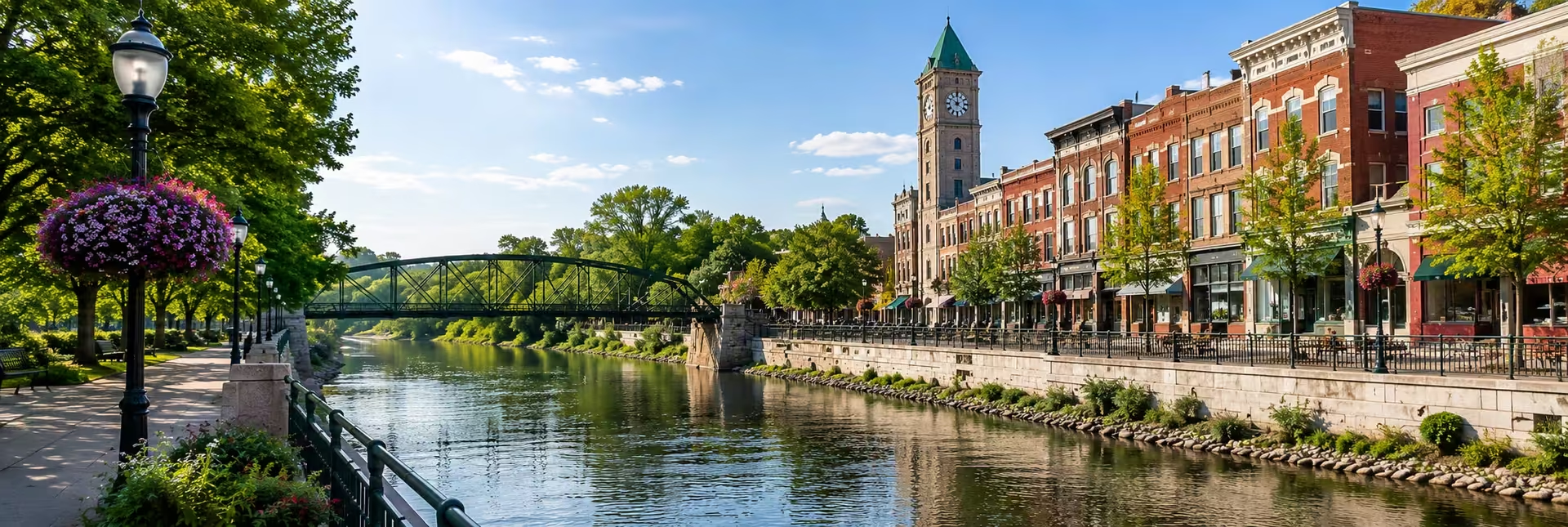
Whether you're a resident or a visitor, exploring Mt. Clemens offers a glimpse into a city shaped by its famous mineral baths, historic landmarks, thriving arts scene, and vibrant downtown.
Starting from its early settlement along the Clinton River to its rise as one of the nation's most celebrated mineral bath destinations, Mt. Clemens has experienced remarkable growth and transformation over the centuries.
While the city has embraced modernization, it continues to preserve the history and character that make it a unique destination in Michigan. Let's take a closer look at how Mt. Clemens evolved through the years and why its rich heritage continues to influence the city we see today.
The History of Mt. Clemens Through the Years
If you look into Mt. Clemens’ history, it has undergone remarkable changes since its early settlement, with each era contributing to the city's unique identity. From its beginnings as a riverside community to its rise as a nationally recognized mineral bath destination and, later, a thriving downtown, every chapter has played an important role in shaping the city.
The timeline below explores some of the most significant milestones in Mt. Clemens' history, covering its early settlement (late 1700s to early 1800s), the mineral bath boom (mid-1800s to early 1900s), the city's expansion throughout the 20th century, and its continued revitalization in the 21st century.
Early Settlement of Mt. Clemens
The history of Mt. Clemens began long before it became a well-known destination for its mineral baths. Situated along the Clinton River, the area was originally inhabited by Native American tribes, who relied on the river for transportation, fishing, and trade. Its strategic location and abundant natural resources made it an ideal place for early settlement.
The European-American settlement began in the late 18th century, and the community was officially founded in 1818 by Christian Clemens, after whom the city was named. As more settlers arrived, Mt. Clemens developed into an important trading and commercial center for the surrounding region. Its location along the Clinton River supported transportation and commerce, laying the foundation for the city's future growth and prosperity.
How Mineral Baths Put Mt. Clemens on the Map
During the mid-1800s, Mt. Clemens gained national recognition after the discovery of its natural mineral springs. Rich in minerals and believed to have therapeutic properties, these waters attracted visitors seeking relief from various health conditions. Before long, the city earned the nickname Bath City and became one of the country's most popular wellness destinations.
By the late 19th and early 20th centuries, hotels, bathhouses, and health resorts had flourished throughout the city, welcoming visitors from across the United States and Canada. The popularity of mineral baths not only boosted tourism but also fueled economic growth, transforming Mt. Clemens into a thriving commercial center.
Mt. Clemens has become a thriving commercial center. Although the mineral bath industry eventually declined, its legacy remains an important part of the city's history and continues to shape Mt. Clemens' identity today.
Growth of the City During the 20th Century
As the popularity of its mineral baths brought more visitors and investment to the area, Mt. Clemens continued to grow throughout the 20th century. New businesses, hotels, public buildings, and residential neighborhoods emerged, strengthening the city's role as a commercial and cultural center in Macomb County. Improvements in transportation and public infrastructure also made the city more accessible to both residents and visitors.
While the influence of the mineral bath industry gradually declined, Mt. Clemens successfully diversified its economy and embraced new opportunities for growth. Local businesses expanded, community institutions flourished, and the city continued to attract people with its historic charm, scenic riverfront, and welcoming downtown. These developments helped lay the foundation for the vibrant Mt. Clemens that residents and visitors enjoy today.
Preserving Mt. Clemens' Historic Character
Although Mt. Clemens has continued to evolve since the late 19th and early 20th centuries, preserving its historic character remains an important part of the city's identity. Many of its landmark buildings have been carefully maintained or repurposed, allowing residents and visitors to experience the city's rich heritage while supporting a vibrant downtown.
Several historic sites continue to tell the story of Mt. Clemens' past. The Crocker House Museum offers a glimpse into 19th-century life and the city's famous mineral bath era, while the Michigan Transit Museum, housed in a restored 1859 railroad depot, showcases the region's transportation history.
Visitors can also explore the historic architecture throughout downtown, including the iconic Macomb County Building and other well-preserved civic and commercial buildings that continue to define the city's unique character.
The Clinton River's Role in the City's History
The Clinton River has played a vital role in the development of Mt. Clemens since its earliest days. Long before roads and railways connected the region, the river served as an important route for transportation, trade, and fishing, attracting Native American communities and later encouraging early settlers in the late 1700s and early 1800s to establish the town along its banks.
As Mt. Clemens grew throughout the 19th and 20th centuries, the Clinton River continued to support the city's economy and daily life while shaping its natural landscape. Today, it remains one of the city's defining features, offering scenic riverfront views, walking paths, and opportunities for outdoor recreation such as kayaking, canoeing, and paddleboarding.
The Clinton River serves as a lasting reminder of the natural resource that helped shape Mt. Clemens into the thriving community it is today. If you're planning to visit Mt. Clemens, taking a stroll along the riverfront or exploring the water by kayaking or canoeing is a great way to experience an important part of the city's history while enjoying its natural beauty.
How Art, Culture, and Business Shape Mt. Clemens Today
Since the late 20th and 21st century, the city shifted its focus from its historic mineral bath industry to arts, culture, tourism, and small business development. Downtown revitalization projects, community events, and local investments transformed the city into a vibrant destination while preserving the heritage that had defined it for generations.
Today, landmarks like the Anton Art Center, local galleries, live entertainment venues, and seasonal festivals celebrate the city's creative spirit and bring the community together. A diverse mix of restaurants, boutiques, specialty retailers, and other locally owned businesses also contributes to a thriving downtown economy.
As Michigan's regulated cannabis industry has grown, licensed recreational cannabis dispensaries have become part of Mt. Clemens' evolving business community following the legalization of recreational cannabis in 2018.
If you're interested in exploring cannabis products, you can visit a licensed dispensary in Mt. Clemens. Remember to bring a valid government-issued photo ID, as recreational cannabis is available only to adults aged 21 and older.
Alongside the growth of tourism, retail, hospitality, and other emerging industries, Mt. Clemens continues to invest in its downtown, local businesses, and community initiatives that preserve its heritage while embracing future opportunities. Together, these cultural attractions, local businesses, and ongoing revitalization efforts continue to shape a welcoming community where history, creativity, and entrepreneurship thrive side by side.
Why Mt. Clemens' History Still Matters Today
What makes Mt. Clemens truly unique is how its rich history continues to shape the city today. From its historic landmarks and the scenic Clinton River to its vibrant arts scene and thriving downtown, the city's heritage continues to influence tourism, local businesses, and community life.
Mt. Clemens' history has also played a vital role in shaping its arts and culture. Historic buildings, cultural institutions, community events, and ongoing preservation efforts celebrate the city's past while inspiring its creative spirit. Whether you're a resident or a visitor, exploring Mt. Clemens offers an opportunity to experience a community where history, culture, and modern development continue to thrive together.
Frequently Asked Questions About Mt. Clemens History
When was Mt. Clemens, MI founded?
Mt. Clemens was officially founded in 1818 by Christian Clemens, after whom the city was named. Its location along the Clinton River helped it grow into an important trading and commercial center in the early 19th century.
Why was Mt. Clemens known as the Bath City?
Mt. Clemens earned the nickname Bath City during the 19th century after its natural mineral springs gained a reputation for their therapeutic properties. The city attracted visitors from across the United States and Canada, becoming one of the nation's leading mineral bath destinations.
What happened to the mineral baths in Mt. Clemens?
The popularity of Mt. Clemens' mineral baths gradually declined during the 20th century as travel trends and medical practices changed. However, their legacy remains an important part of the city's history and identity.
What are some historic landmarks to visit in Mt. Clemens?
Some of Mt. Clemens' notable historic landmarks include the Crocker House Museum, the Michigan Transit Museum, the Macomb County Building, Historic Downtown Mt. Clemens, and the Clinton River, all of which reflect the city's rich heritage.
Is the Historic Downtown Mt. Clemens worth visiting?
Yes. Historic Downtown Mt. Clemens features preserved architecture, local shops, restaurants, cultural attractions, and community events that reflect the city's heritage while offering a vibrant experience for residents and visitors.