
Blogs
The History of Battle Creek, Michigan and Why It’s Called Cereal City

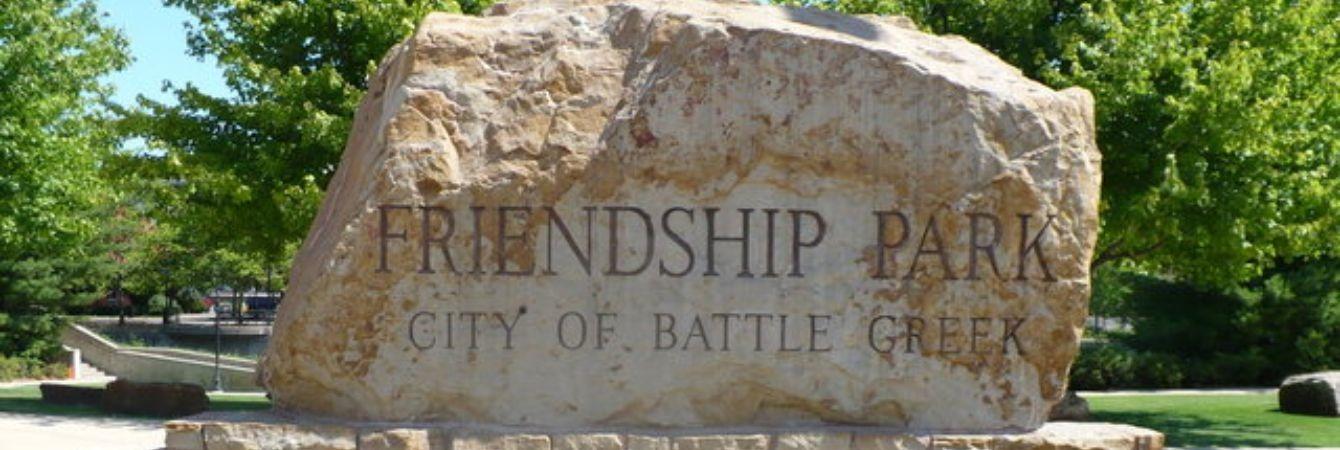
Battle Creek has a story that goes deeper than most people expect. You might know it as Cereal City, but there’s more behind that name. From early Native roots to food innovation, this city has always evolved with time. So if you live here or you’re just visiting, understanding its past helps you see it differently. Let’s walk through how Battle Creek grew and why it still stands out today.
A Quick Look at Battle Creek’s Early History
Battle Creek’s story starts long before the city took shape. Native American tribes lived on this land for generations. They used the rivers and the surrounding area for daily life. Because of that, the land already held meaning before settlers arrived.
In the early 1800s, settlers began moving into the region. Around 1824, a small conflict near a creek gave the area its name. The event itself was minor, but the name Battle Creek stayed. Over time, more people settled here, and the community slowly grew.
As the years passed, farming and small industries helped shape the local economy. Then the city began to build its identity. What started as a quiet settlement soon turned into a place known for innovation and growth.
Why Is Battle Creek Called Cereal City
Battle Creek earned the name Cereal City because it became the center of cereal production in the United States. It all started with a focus on health and simple food. In the late 1800s, the Battle Creek Sanitarium became known for its approach to diet and wellness. Doctors there believed grain-based foods could support better digestion and daily habits.
During that time, John Harvey Kellogg began experimenting with new foods for his patients. One early breakthrough came by accident when cooked wheat was left out, then rolled into flakes and toasted. That simple moment helped shape what we now know as cereal.
Around the same time, C.W. Post was a patient at the Sanitarium. He learned from that environment and later started his own company in Battle Creek. In 1895, he introduced Postum, a grain-based drink, before launching cereal products like Grape-Nuts. Because both Kellogg and Post built their ideas here, the city quickly became a hub for cereal innovation.
As demand grew, more companies followed. Factories expanded, jobs increased, and Battle Creek gained national attention. Even today, that identity still holds. Cereal is not just part of the past. It is part of how people know Battle Creek.
How Kellogg’s and Post Shaped the City
As cereal gained popularity, Battle Creek began to change quickly. It started as small food idea and turned into a large-scale production. Kellogg’s and Post built growing companies that reached beyond the local market. Their products spread across the country, and demand kept rising.
Because of that growth, factories expanded across the city. New jobs opened, and people moved in for steady work. The population grew, and neighborhoods developed around these industries. Business activity increased, and Battle Creek became known as a place of opportunity.
Eventually, this industry shaped more than the economy. It influenced daily life, work culture, and the city’s identity. Battle Creek was no longer just a small Michigan town. It became a name people recognized across the country.
What Makes Battle Creek Unique Today
Today, Battle Creek still carries its history, but it does not feel stuck in the past. The city has grown into a place where industry, community, and everyday life come together. You still see the cereal legacy, but new businesses and local growth continue to shape the area.
For example, food production and manufacturing still play a role in the local economy. At the same time, small businesses, local retail destinations, and visiting a cannabis dispensary in Battle Creek bring fresh energy into the city.
That balance is what makes it stand out. It respects where it came from, but it keeps moving forward in a way that feels real to the people who live here.
Find Out More About: Best things to do in Battle Creek after visiting
Common History Confusions About Battle Creek
Some parts of Battle Creek’s history can feel a bit confusing at first. That usually comes from similar names or stories that sound related but are not. So, it helps to clear those up as you go.
One common mix up is the Battle of Kettle Creek. It sounds connected, but it actually took place in Georgia during the Revolutionary War. It played a role in boosting Patriot forces, but it has no direct link to Battle Creek, Michigan.
Another point of confusion is the city’s name itself. Some people expect a large historic battle, but the original event was small. It involved a brief conflict near a creek in the early 1800s. Even so, the name stayed and became part of the city’s identity.
Understanding these details helps you see the story more clearly. It keeps the focus on what truly shaped Battle Creek over time.
Final Thoughts
Battle Creek’s story is simple, but it sticks with you. It grew from a small settlement into a city known across the country. From cereal innovation to today’s local businesses, it has always found ways to evolve. So when you spend time here, you are not just seeing a place. You are stepping into a city that keeps moving forward while holding onto its roots.
FAQs About Battle Creek History
What is Battle Creek, Michigan known for?
Battle Creek is best known as the center of the U.S. cereal industry. Companies like Kellogg’s and Post started here, which led to the nickname Cereal City. By the early 1900s, cereal products from Battle Creek were used across the country.
How did Battle Creek get its name?
The name comes from an incident in 1824 involving surveyors and Native Americans near a local creek. The conflict was small, but the name “Battle Creek” stayed and later became the city’s official name.
Why is Battle Creek called Cereal City
Battle Creek earned the name because it became the birthplace of ready to eat cereal. Innovations at the Battle Creek Sanitarium led to products like corn flakes. Soon after, companies like Kellogg’s and Post grew rapidly, making the city a cereal hub.
Why did the cereal industry start in Battle Creek?
The cereal industry started from health focused food experiments at the Battle Creek Sanitarium. Leaders like John Harvey Kellogg promoted grain based diets. These ideas later turned into commercial cereal products that changed breakfast habits.
Who founded Battle Creek, Michigan?
Battle Creek was not founded by a single person. It developed gradually in the early 1800s as settlers moved into the area and built a growing community over time.
When was Battle Creek established?
Battle Creek began developing in the early 1800s and was officially incorporated as a city in 1859. This marked its transition from a small settlement to an organized municipality.
What role did Native Americans play in Battle Creek’s history?
Native American tribes lived in the area long before settlers arrived. They used the land and waterways for daily life. Their presence shaped the early history of the region, including the event that influenced the city’s name.