


JARS Logo

Select a Store

Indica vs. Sativa vs. Hybrid: What's the Difference?

JARS Team

by JARS Team | October 8, 2026

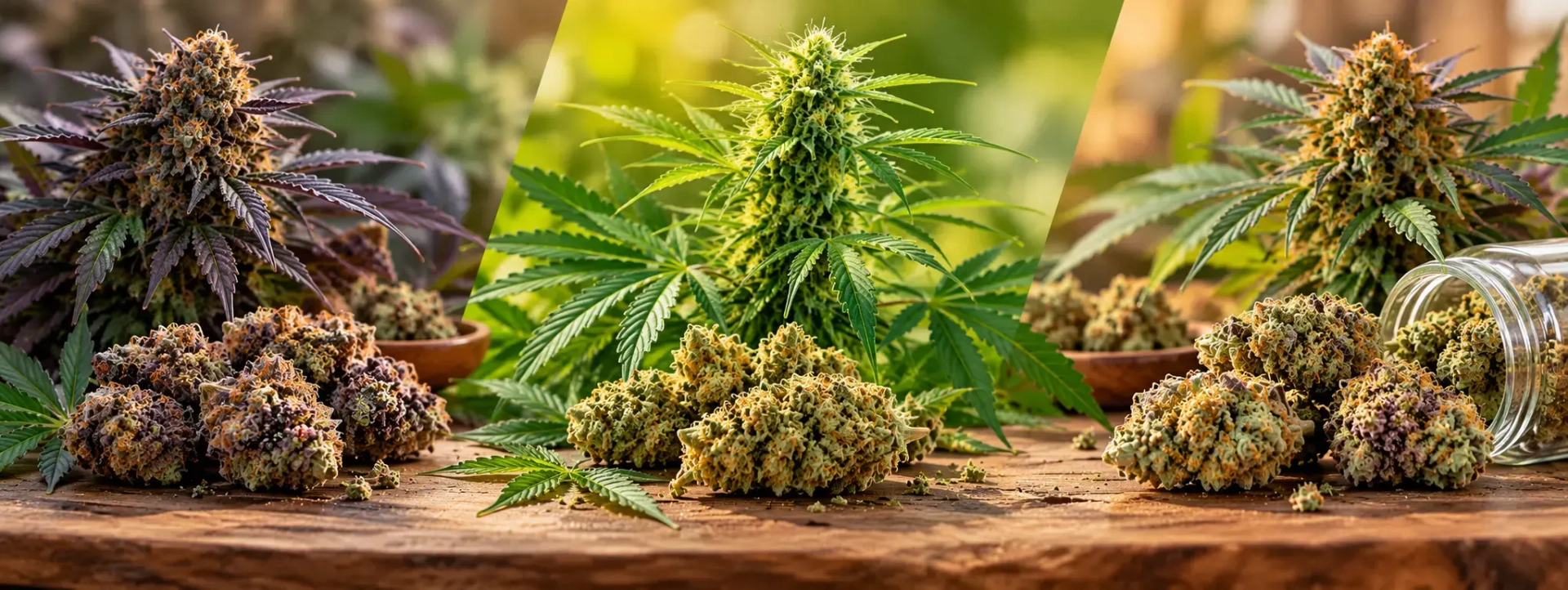
Cannabis flower buds representing indica, sativa, and hybrid varieties

Indica, sativa, and hybrid are traditional cannabis classifications based on plant traits and genetic lineage. However, these labels do not reliably predict how cannabis will feel.


Today, modern cannabis varieties often have complex genetics, so the old distinctions are less clear. Your experience can also vary based on the product's chemical profile, dose, consumption method, and your individual response.


So, what do these labels actually mean? Let's look at where they came from, how they differ, and what the labels can tell you.


Where Do the Indica and Sativa Labels Come From?


The words indica and sativa started as botanical labels, not descriptions of cannabis effects. In 1753, botanist Carl Linnaeus classified cannabis plants under the name Cannabis sativa. Later, in 1785, French botanist Jean-Baptiste Lamarck proposed Cannabis indica for cannabis plants from India that differed from the plants described by Linnaeus.


Over time, cannabis cultivation spread across regions, and growers began breeding plants with different traits. As a result, the original botanical distinctions became less clear. Today, indica and sativa remain common labels in the cannabis industry, but they do not neatly represent separate genetic or chemical categories.


So, these labels are useful as a starting point. However, they tell you less about a product than many people assume.


What Is Indica Cannabis?


Indica is a traditional cannabis classification linked to plants from regions such as the Indian subcontinent. Historically, the label described differences in plant characteristics and geographic origin. However, modern breeding has blurred many of those original distinctions.


Today, products labeled indica are often associated with relaxing, sleepy or calming experiences. Yet, indica does not have a fixed THC or CBD ratio. Some indica products contain mostly THC, while others may have higher CBD levels or a more balanced cannabinoid profile.


Therefore, the indica label offers a starting point, not a guarantee of effects. Your experience can also depend on THC and CBD levels, terpenes, dose, consumption method, and individual response.


What Is Sativa Cannabis?


Sativa is another traditional cannabis classification associated with plants from regions such as Europe, Africa, and parts of Asia. Historically, the term helped distinguish cannabis based on characteristics and geographic origins. Modern breeding, however, has made those boundaries less distinct.


Today, products labeled sativa are commonly associated with uplifting or energizing experiences. However, sativa does not have a standard THC to CBD ratio. Many modern sativa products are THC dominant, but their cannabinoid and terpene profiles can vary considerably.


For that reason, the sativa label should not be your only guide. Instead, check the product's cannabinoid and terpene information when available. Your dose, tolerance, consumption method, and individual response can also influence the experience.


What Is a Hybrid?


A hybrid is a cannabis variety created by breeding plants from different genetic lineages. Breeders can combine traits from different varieties to develop new plants with distinct characteristics. As a result, many modern cannabis varieties do not fit neatly into traditional indica or sativa categories.


You may also see hybrids described as indica dominant, sativa dominant, or balanced. These labels describe the variety's traditional lineage, but they do not establish a specific THC or CBD ratio. In fact, the same strain name can show different cannabinoid levels across growers and batches.


Some well-known hybrid examples include Blue Dream, GSC, and Cannatonic. Their cannabinoid profiles can differ significantly. For example, Leafly currently lists Blue Dream at about 21% THC and 0% CBD, while Cannatonic is listed at about 4% THC and 9% CBD.


Another important example is Harlequin, which is commonly known for its CBD content but is classified by Leafly as sativa rather than hybrid. Its current profile is about 5% THC and 9% CBD.


This variation is important because a hybrid is not simply a 50/50 combination of indica and sativa. Instead, each hybrid can have its own mix of cannabinoids, terpenes, genetics, and other characteristics.


Indica vs. Sativa vs. Hybrid at a Glance


Indica, sativa, and hybrid labels can give you a quick way to categorize cannabis. Traditionally, each label reflects different botanical and genetic lineages. However, modern breeding has blurred many of those boundaries.


Here is a simple comparison of what these labels generally mean:


Cannabis type 

Traditional classification 

Commonly associated with 

What to keep in mind 

Indica 

Cannabis varieties linked to traditional indica lineages 

Relaxing or calming experiences 

Does not have a fixed THC or CBD profile 

Sativa 

Cannabis varieties linked to traditional sativa lineages 

Uplifting or energizing experiences 

Does not have a fixed THC or CBD profile 

Hybrid 

Cannabis bred from different cannabis lineages 

Effects that vary by product 

Can have diverse cannabinoid and terpene profiles 


These categories can provide a quick overview, but they do not tell the whole story. In a 2022 analysis of 89,923 commercial cannabis samples, researchers found that products labeled indica, sativa, and hybrid were highly intermixed by their cannabinoid and terpene profiles. The authors concluded that these labels did not consistently reflect the products’ underlying chemical diversity.


Therefore, you should treat the label as one piece of information. When available, the product’s cannabinoid and terpene profile can give you a more specific picture of what you are choosing.


Do Indica and Sativa Labels Predict How Cannabis Feels?


Not reliably. Indica and sativa labels can offer a general starting point, but they cannot predict your cannabis experience with confidence.


The common idea is that indica products feel relaxing, while sativa products feel uplifting or energizing. However, these associations come from traditional classifications rather than consistent chemical differences. Research also shows considerable overlap among products carrying indica, sativa, and hybrid labels (Smith et al., 2022).


Your experience can also vary from one product to another. Even products with the same label can have different cannabinoid and terpene profiles. In addition, your dose, tolerance, consumption method, and individual response can shape how cannabis feels.


So, think of indica, sativa, and hybrid as broad labels, not promises about effects. For a more informed choice, look beyond the label and consider the product's chemical profile.


That brings us to the factors that can tell you more about what to expect.


What Matters More Than Indica or Sativa?


If you want to understand how cannabis may feel, look beyond the indica or sativa label. The product's cannabinoids, terpenes, potency, dose, and consumption method can provide more useful context.


Cannabinoids such as THC and CBD can influence the overall experience. THC is primarily responsible for the intoxicating effects of cannabis, while CBD does not produce the same intoxicating effect. However, products can contain different amounts and ratios of these cannabinoids.


Terpenes are aromatic compounds found in cannabis and many other plants. They contribute to a product's aroma and flavor. Research suggests they may also contribute to the overall effects of cannabis, although more research is needed to understand these relationships fully.


Your dose and tolerance matter, too. A higher THC dose may produce a different experience than a lower dose. Likewise, someone with more cannabis experience may respond differently than someone who is new to it.


Finally, your consumption method can change the experience. Smoking or vaping can produce effects relatively quickly, whereas edibles take longer to kick in and can last longer.


Together, these factors give you a more complete picture than the indica or sativa label alone. Next, let's look at how to use this information when choosing a cannabis product.


How to Choose Cannabis Beyond the Label


When comparing cannabis products, use the label as a starting point rather than the deciding factor.


  • Check the product details: Review the THC, CBD, terpene, and other information available on the label or lab results.
  • Compare the specific product: Look at the actual product and batch instead of assuming every product with the same strain name will be identical.
  • Consider your experience: Your tolerance and previous experience with cannabis can help guide your choice.
  • Ask for guidance: A knowledgeable budtender can help you compare products and understand their differences.


At JARS, budtenders receive training through JARS University to help customers make informed product choices. If you still have questions, you can contact us for help.


Key Takeaways


  • Indica, sativa, and hybrid are traditional cannabis classifications based on plant traits and genetic lineages.
  • Modern breeding has blurred the boundaries between these categories, so the labels do not reliably predict how cannabis will feel.
  • Indica is commonly associated with relaxing experiences, while sativa is often associated with uplifting experiences. These are general associations, not guarantees.  Hybrids combine different cannabis lineages and can have widely varying cannabinoid and terpene profiles.
  • THC, CBD, terpenes, dose, tolerance, and consumption method can provide more useful context than the indica or sativa label alone.
  • The best way to compare products is to look at the specific product's available information, rather than relying only on its category or strain name.


Shop Cannabis Flower at JARS


Ready to shop indica, sativa or hybrid cannabis flower? Browse flower products at JARS and compare options by strain, THC content, brand, and product type. You can shop online, check available products, and find a JARS location near you.


Frequently Asked Questions About Indica, Sativa, and Hybrid


Is Indica Stronger Than Sativa?


No. Indica is not inherently stronger than sativa. Cannabis potency depends more on factors such as THC content, dose, and the product's overall chemical profile.


Are Most Cannabis Strains Hybrids?


Yes. Modern cannabis breeding has produced many varieties with mixed genetic lineages. As a result, many products do not fit neatly into traditional indica or sativa categories.


What Does Indica-Dominant or Sativa-Dominant Mean?


These terms describe a cannabis variety's traditional genetic lineage. They do not establish a specific THC or CBD ratio or guarantee a particular experience.


Are Indica and Sativa Effects Really Different?


They can be associated with different experiences, but the labels do not reliably predict effects. The product's cannabinoids, terpenes, potency, dose, and your individual response can also influence how cannabis feels.


What Are Terpenes, and Do They Affect Cannabis?


Terpenes are aromatic compounds found in cannabis and other plants. They contribute to aroma and flavor and may also influence the overall cannabis experience, although more research is needed to understand their effects fully.


References


1. “Cannabis sativa.” Wikipedia, Wikimedia Foundation, https://en.wikipedia.org/wiki/Cannabis_sativa. Accessed 6 Oct. 2026.

2. Smith, Christiana J., et al. “The Phytochemical Diversity of Commercial Cannabis in the United States.” PLOS ONE, vol. 17, no. 5, 2022, e0267498. https://doi.org/10.1371/journal.pone.0267498.

3. Smith, Christiana J., et al. “The Phytochemical Diversity of Commercial Cannabis in the United States.” PubMed, U.S. National Library of Medicine, https://pubmed.ncbi.nlm.nih.gov/36648357/. Accessed 6 Oct. 2026.

Related Resources

Close-up of a cannabis flower with purple-green leaves, palm trees, hibiscus flowers and turquoise ocean in the background.
Cannabis-101

What Are Cannabinoids? A Beginners Guide to Cannabis Compound

Cannabinoids are a diverse group of compounds connected to cannabis and the body’s own signaling system. Some occur naturally in cannabis, while others are produced by the human body or made in laboratories. THC and CBD are the best known, yet they are only part of a much larger group. Other cannabinoids include CBG, CBN, CBC, and THCV, each with different properties and areas of research. So, what do these compounds do, and how are they different? Below, we’ll look at the main cannabinoid types, common compounds, their effects, and how they interact with the body. What Are Cannabinoids? Cannabinoids are chemical compounds that can interact with cannabinoid receptors and related signaling pathways in the body. They occur in different forms, depending on where they come from. Cannabis produces phytocannabinoids, your body produces endocannabinoids, and laboratories can produce synthetic cannabinoids. The term therefore covers more than compounds found in cannabis. Each group has a different origin and biological role. However, these groups can overlap in how they interact with the body's cannabinoid system. What Are the Different Types of Cannabinoids? Cannabinoids are generally grouped into three types based on their source: 1. Phytocannabinoids 2. Endocannabinoids 3. Synthetic Cannabinoids What Are Phytocannabinoids? Phytocannabinoids are cannabinoids produced naturally by plants. Cannabis is their best known source. THC, CBD, CBG, CBN, CBC, and THCV are examples. Among these compounds, THC and CBD have received the most attention. Researchers are also studying many less common phytocannabinoids. However, evidence varies widely between individual compounds. What Are Endocannabinoids? Endocannabinoids are cannabinoid compounds produced naturally by the body. They help regulate signaling within the endocannabinoid system. Anandamide and 2 arachidonoylglycerol, or 2 AG, are two well studied examples. Unlike phytocannabinoids, endocannabinoids are not produced by cannabis. Instead, your cells make them as part of normal biological signaling. What Are Synthetic Cannabinoids? Synthetic cannabinoids are compounds produced or modified in a laboratory. Some were developed as research tools or pharmaceutical compounds. For example, dronabinol and nabilone are synthetic cannabinoid related medicines approved for specific medical uses. However, the term can also describe illicit compounds designed to produce cannabis like effects. These products can act differently from natural cannabinoids and may cause serious harm. Cannabinoids differ mainly by where they originate . The table below provides a quick comparison before we look at specific compounds. Cannabinoid type   Where it comes from   Examples   What to know   Phytocannabinoids   Plants, especially cannabis   THC, CBD, CBG, CBN, CBC, THCV   These occur naturally in cannabis and make up the main cannabinoid group found in cannabis products.   Endocannabinoids   The human body and other animals   Anandamide (AEA), 2 AG   These are produced naturally in the body and help regulate signaling through the endocannabinoid system.   Synthetic cannabinoids   Laboratory production   Dronabinol, nabilone, research compounds   These are made or modified in laboratories. Some have medical uses, while others are unregulated and can cause serious harm.   These categories describe origin , not simply how a cannabinoid affects you. For example, synthetic cannabinoids can be designed to interact with the same receptors as natural cannabinoids. However, their effects and safety profiles can differ considerably. Common Phytocannabinoids Found in Cannabis Cannabis contains more than 100 identified cannabinoids , although they do not all occur in the same amounts. THC and CBD receive the most research and attention. However, CBG, CBN, CBC, and THCV also occur naturally in cannabis. Their effects can differ because each cannabinoid interacts with the body in its own way. Still, research on some compounds remains limited, especially in humans. Therefore, the experiences below describe reported effects rather than guaranteed outcomes. What Is THC? THC stands for tetrahydrocannabinol . Delta 9 THC is the primary intoxicating cannabinoid in cannabis. It activates cannabinoid receptors, including CB1 receptors, which contributes to its effects on the brain and body. THC can produce feelings of euphoria, relaxation, and altered perception. Some people may also experience increased anxiety, confusion, paranoia, or reduced alertness. These effects can become stronger as THC exposure increases. What Is CBD? CBD stands for cannabidiol . Unlike THC, CBD does not produce the typical cannabis high. It also interacts with several biological targets beyond the main cannabinoid receptors. People generally do not experience the same intoxicating effects from CBD as they do from THC. However, CBD can still affect the body, and individual responses can vary. Research into its potential effects and uses is ongoing. What Is CBG? CBG stands for cannabigerol. It is generally considered non intoxicating and usually occurs in smaller amounts than THC and CBD. Its acidic form, CBGA, also serves as a precursor for several other cannabinoids. People typically do not report a cannabis high from CBG. Some early human research has examined feelings such as anxiety and stress after CBG use. However, evidence remains limited, so CBG should not be associated with one predictable experience. What Is CBN? CBN stands for cannabinol . It can form as THC breaks down through exposure to factors such as heat, light, and oxygen. As a result, CBN can become more prominent as cannabis ages. CBN is often associated with relaxing or sedating effects. However, human evidence does not yet establish CBN as a reliable sleep aid. Researchers are still investigating how CBN affects people and how those effects vary by dose and product. What Is CBC? CBC stands for cannabichromene . It is a naturally occurring phytocannabinoid found in cannabis. Unlike THC, CBC is not known to produce the typical cannabis high. People should not expect a specific feeling from CBC based on current evidence. Most research has examined CBC in laboratory or animal models. Human research remains limited, so its effects in people are still unclear. What Is THCV? THCV stands for tetrahydrocannabivarin . It is structurally related to THC but has a different molecular side chain. That difference can change how it interacts with cannabinoid receptors. THCV does not simply produce the same effects as THC. Early research suggests its effects can vary with dose and context. Reviews have discussed appetite, metabolism, and how THCV may influence THC-related effects. However, human evidence remains limited. What Are Minor Cannabinoids? Minor cannabinoids are phytocannabinoids found in smaller amounts than THC and CBD. However, the term does not mean these compounds are less important. It mainly describes their lower abundance or limited research compared with major cannabinoids. Examples include CBG, CBN, CBC, THCV, CBDV, THCA, CBDA, and CBGA . Their amounts can vary across cannabis plants and products. Genetics, cultivation, and processing can also influence a product's cannabinoid profile. Research on these compounds is growing, but the evidence remains uneven. Some cannabinoids have only been studied in laboratory or animal research. Others have reached early human studies, yet many questions remain. For example, CBG, CBN, CBC, and THCV can produce different biological effects. However, you should not expect one fixed experience from any minor cannabinoid. Dose, product composition, and individual factors can also affect the experience. Minor cannabinoids can also make product labels more informative. A product may contain THC alongside smaller amounts of CBG, CBN, or other cannabinoids. Therefore, looking beyond THC can give you a clearer picture of the product's cannabinoid profile. How Do Cannabinoids Work? Cannabinoids work by interacting with signaling systems throughout the body. The best known pathway involves the endocannabinoid system , which helps regulate several biological processes. The process is more complex than simply “binding to a receptor.” Different cannabinoids can interact with different targets. As a result, they can produce different effects in the body. Cannabinoids and the Endocannabinoid System The endocannabinoid system (ECS) is a signaling network found throughout the body. It includes endocannabinoids, cannabinoid receptors, and enzymes involved in making and breaking down these compounds. Your body produces endocannabinoids when they are needed. Two well studied examples are anandamide (AEA) and 2 AG . These molecules then interact with cannabinoid receptors and influence cellular signaling. Phytocannabinoids can also interact with this system. THC, for example, can activate cannabinoid receptors. Other cannabinoids can interact with those receptors differently or affect other biological targets. Cannabinoids and CB1 and CB2 Receptors CB1 and CB2 are the two main cannabinoid receptors identified in humans. Both belong to a large group of cell signaling proteins called G protein coupled receptors. CB1 receptors are especially common in the central nervous system. They also occur in several tissues outside the brain. CB2 receptors are found mainly in immune and peripheral tissues, although researchers have also identified them in parts of the nervous system. These receptors help explain why cannabinoids can affect different parts of the body. For example, CB1 activation can influence brain functions such as memory, movement, and perception. CB2 signaling is more closely associated with immune and inflammatory processes. Still, CB1 and CB2 are not the whole story. Cannabinoids can also interact with other receptors, ion channels, and biological targets. Therefore, a cannabinoid's effects cannot always be predicted from CB1 or CB2 activity alone. What Is the Difference Between THC, CBD and Other Cannabinoids? THC and CBD are the two best known cannabinoids. However, they are not interchangeable. THC can produce intoxication, but CBD does not produce the typical cannabis high. Other cannabinoids also have different properties. CBG, CBN, CBC, and THCV can interact with the body in different ways. Their effects also depend on the compound, dose, product, and person. As we have mentioned a few times already, research on these cannabinoids is still developing. In particular, much less human research exists for minor cannabinoids than for THC. That's why, claims about their effects need more caution. Why Do Cannabinoids Matter in Cannabis Products? Cannabinoids help describe what a cannabis product contains. A product may contain THC, CBD, or smaller amounts of other cannabinoids. As a result, two products can have different cannabinoid profiles. The amount and type of cannabinoids can also affect the experience. THC content, for example, can help indicate a product's potential intoxicating effects. However, potency alone does not tell you exactly how you will feel. Product labels can also show cannabinoid amounts separately or together. Terms such as THC, CBD, and total cannabinoids can therefore provide useful information before you choose a product. Still, labels are not always perfect. Research has found differences between labeled and measured cannabinoid amounts in some commercial products. So, checking the cannabinoid profile gives you more context than looking at THC alone. It can help you see which compounds are present and how much each contributes to the product. Cannabinoids vs Terpenes: What's the Difference? Cannabinoids and terpenes are both natural compounds found in cannabis. However, they serve different roles.    • Cannabinoids interact with cannabinoid receptors and other biological targets. THC, CBD, CBG, and CBN are common examples.    • Terpenes are aromatic compounds that give cannabis its distinctive smells and flavors. They may also interact with the body's biological systems, but they work differently from cannabinoids. So, cannabinoids mainly describe the compounds linked to cannabis's biological effects. Terpenes mainly contribute to its aroma and flavor, along with other potential biological activity. Are Cannabinoids Safe? Cannabinoids are not automatically safe because they occur naturally. Safety depends on the cannabinoid, product, dose, and how you use it. For adults using cannabis products, THC is the main safety concern . According to the CDC , it can impair memory, coordination, judgment, reaction time, and perception. Therefore, never drive or operate machinery after using intoxicating cannabis. Cannabis use can also lead to cannabis use disorder , especially with frequent use or high THC exposure. Edibles, vapes, concentrates, flower , pre rolls, tinctures, and other products can carry different risks. Product quality matters too. For example, some cannabinoid products have contained different amounts than their labels stated. Contamination with pesticides, microorganisms, or other substances has also been reported. To err on the side of caution, if you're shopping for adult use cannabis, try to find a reliable licensed cannabis store and check the cannabinoid profile before purchasing. You may also come across well-known cannabis brands such as STIIIZY and Jeeter in legal cannabis markets. However, a brand name alone does not guarantee that every product is safe or suitable for you. Always check the product label, cannabinoid content, and applicable testing information before purchasing. Most importantly, follow the product label and your state's cannabis laws. Keep cannabis products away from children and pets. Also, avoid combining cannabis with alcohol or other substances, which can increase impairment. The Takeaway Cannabinoids are a broad group of compounds with different origins, properties, and effects. THC and CBD are the best known, yet compounds like CBG, CBN, CBC, and THCV also contribute to cannabis’s cannabinoid profile. Their effects can vary based on the compound, dose, product, and individual. As you explore cannabis products, look beyond THC alone. Checking the cannabinoid profile can give you more context about what a product contains. At JARS Cannabis , you can also ask trained staff about cannabinoid profiles and product options when you need help comparing products. Frequently Asked Questions About Cannabinoids How Many Cannabinoids Are There? More than 100 cannabinoids have been identified in cannabis. THC and CBD are the best known, but many other cannabinoids exist. However, researchers have not studied all of them equally. Some remain poorly understood, especially in humans. What Are the Three Types of Cannabinoids? Cannabinoids are generally grouped into three types based on where they come from. Phytocannabinoids occur naturally in plants, especially cannabis. Endocannabinoids are produced naturally by your body. Synthetic cannabinoids are made or modified in laboratories. Which Cannabinoids Are Intoxicating? Delta 9 THC is the primary intoxicating cannabinoid found in cannabis. It can affect perception, memory, coordination, and other brain functions. Some synthetic cannabinoids can also cause strong intoxicating effects. In contrast, CBD does not produce the typical cannabis high. Are Cannabinoids Found Naturally in the Human Body? Yes. Your body naturally produces cannabinoids called endocannabinoids . Anandamide and 2 AG are two well studied examples. These compounds help regulate signaling through the endocannabinoid system. So, cannabinoids are not limited to cannabis or cannabis products. What Is the Difference Between Cannabinoids and Terpenes? Cannabinoids and terpenes are different groups of compounds found in cannabis. Cannabinoids include THC and CBD, which interact with cannabinoid receptors and other biological targets. Terpenes mainly contribute to cannabis aroma and flavor. They also occur naturally in many other plants. References 1. National Center for Complementary and Integrative Health. “Cannabis (Marijuana) and Cannabinoids: What You Need To Know.” National Center for Complementary and Integrative Health, National Institutes of Health, https://www.nccih.nih.gov/health/cannabis-marijuana-and-cannabinoids-what-you-need-to-know . Accessed 24 Sept. 2026. 2. Centers for Disease Control and Prevention. “About Cannabis.” Cannabis and Public Health, 15 Feb. 2024, https://www.cdc.gov/cannabis/about/index.html . Accessed 24 Sept. 2026. 3. Abioye, Amos, et al. “Δ9-Tetrahydrocannabivarin (THCV): A Commentary on Potential Therapeutic Benefit for the Management of Obesity and Diabetes.” Journal of Cannabis Research, vol. 2, 2020, article 6, https://doi.org/10.1186/s42238-020-0016-7 . 4. Bonn-Miller, M. O., et al. “Labeling Accuracy of Cannabidiol Extracts Sold Online.” JAMA, vol. 318, no. 17, 2017, pp. 1708–1709, https://doi.org/10.1001/jama.2017.11909 . 5. Centers for Disease Control and Prevention. “Cannabis and Driving.” Cannabis and Public Health, 22 Feb. 2024, https://www.cdc.gov/cannabis/health-effects/driving.html . Accessed 24 Sept. 2026.

JARS Team
Read article
Fresh green cannabis leaves on a rustic wooden surface with a blurred green background.
Cannabis-101

What Is Cannabis? A Beginner's Guide

What Is Cannabis? Cannabis is a plant from the Cannabis sativa species. The term also describes products made from the plant. These products can contain different amounts of cannabinoids and other plant compounds. However, the word cannabis can mean different things in everyday conversations. Some people use it to describe the plant itself. Others use it to describe dried flower, extracts, edibles , or other products. The cannabis plant contains about 540 chemical substances . More than 100 of those substances are cannabinoids. Therefore, cannabis is better understood as an umbrella term. Different products can have very different compositions, strengths, and effects. According to the CDC, an estimated 61.9 million Americans used cannabis in 2022 . That widespread use also makes basic cannabis knowledge important. The product you choose can change how quickly effects begin and how long they last. Cannabis, Marijuana, and Hemp: What's the Difference? Cannabis, marijuana, and hemp are related terms, but they are not interchangeable. Their meanings depend on the plant, its chemical profile, and the legal context.    • Cannabis is the broadest term. It refers to the plant and products derived from it.    • Marijuana commonly describes cannabis products containing substantial amounts of THC. THC is the cannabinoid primarily responsible for cannabis's intoxicating effects.    • Hemp refers to cannabis meeting the federal definition based on its THC content. Under federal law, hemp contains no more than 0.3% THC by dry weight. Term   What it generally means   Cannabis   The plant and products derived from it   Marijuana   Cannabis containing substantial amounts of THC   Hemp   Cannabis meeting the federal THC threshold   THC   A cannabinoid that can cause intoxicating effects   CBD   A cannabinoid that does not cause a high by itself   Still, state laws can define and regulate these terms differently. Therefore, federal definitions do not always explain local cannabis rules. What Is in Cannabis? Cannabis contains many chemical compounds. These include cannabinoids, terpenes, flavonoids, and other plant substances. However, cannabinoids receive much of the attention. They interact with biological systems in the body and can influence how cannabis affects you. Terpenes are also important because they contribute to cannabis aroma and flavor. They may also interact with other compounds in cannabis. Most cannabis discussions focus on THC and CBD. Yet, they are only two members of a much larger cannabinoid group. The amount and combination of these compounds can vary between products. Therefore, two cannabis products can produce noticeably different experiences. Product labels can also provide useful information about cannabinoid content. However, labeling accuracy can vary, especially outside regulated markets. THC, CBD, and Other Cannabinoids Explained Cannabinoids are chemical compounds found naturally in the cannabis plant. More than 100 cannabinoids have been identified. THC and CBD are the two cannabinoids most people recognize. However, they interact with the body in different ways. THC THC, or tetrahydrocannabinol, is the main intoxicating cannabinoid in cannabis. It can affect perception, mood, coordination, memory, and reaction time. Therefore, products with higher THC levels may produce stronger intoxicating effects. Your response can also depend on your experience and other factors. CBD CBD, or cannabidiol , is another major cannabinoid. CBD does not cause a high by itself. However, CBD is not completely risk free. The CDC notes possible side effects and potential drug interactions. Other cannabinoids Cannabis contains many other cannabinoids beyond THC and CBD. Some well known examples include CBG, CBN, CBC, and THCV. These cannabinoids can differ in how they interact with the body. However, researchers are still studying their potential effects and possible uses. For example, CBG and CBN have received research attention for their potential biological effects. CBC and THCV have also been studied for different properties. However, evidence varies between cannabinoids, and research remains limited for many of them. Therefore, you should not assume that every cannabinoid has proven health benefits. What Are the Different Forms of Cannabis? Cannabis can appear in several product forms. Each form delivers cannabinoids differently. Common forms include:    • Flower: Dried cannabis flowers that are commonly smoked or vaporized.    • Pre rolls: Ready to use cannabis joints containing ground flower.    • Edibles: Foods or drinks infused with cannabis compounds.    •   Vapes: Products designed to deliver cannabis compounds through inhalation.    • Concentrates: Highly concentrated cannabis extracts.    • Tinctures: Liquid cannabis products commonly taken by mouth.    • Topicals: Cannabis products designed for application to the skin. Therefore, the product form matters when considering the experience. Inhaled cannabis generally produces effects sooner than edible cannabis. Edibles can take longer to produce noticeable effects. Their effects can also last longer than those from inhaled cannabis. The amount of THC and the way you consume it also matter. Consequently, you should not assume every cannabis product affects you the same way. How Is Cannabis Used? People use cannabis through several methods. The most common methods include inhalation and oral consumption. For inhalation, people may smoke flower or use a vaporizer. Some products also involve inhaling concentrated cannabis extracts. For oral use, people may consume edibles, drinks, capsules, or tinctures. Topical products are instead applied directly to the skin. Each method changes how cannabinoids enter the body. Therefore, the same THC amount can feel different across product types. Your experience can also change based on several factors: 1. THC concentration 2. Amount consumed 3. Method of use 4. Previous cannabis experience 5. Frequency of use 6. Other substances used at the same time 7. Individual biology The CDC specifically notes these factors when explaining differences in cannabis effects. How Does Cannabis Affect You? Cannabis can affect the brain and body in several ways. THC is mainly responsible for its intoxicating effects. Depending on the product and dose, you may notice changes in perception, mood, attention, coordination, or reaction time. However, individual responses can vary considerably. Some people may experience relaxation or increased appetite. Others may experience dizziness, anxiety, confusion, or impaired coordination. Therefore, the same product may not affect every person equally. Your experience can also change from one session to another. The method of consumption matters too. For example, edible cannabis can have delayed and unpredictable effects. Consequently, understanding the product and its cannabinoid content can help you make informed choices. What Can Change the Effects of Cannabis? Cannabis effects depend on more than THC percentage alone. Several factors can influence your experience. First, the amount you consume can change the intensity of effects. Higher THC concentrations can also increase intoxicating effects. Next, your consumption method can affect timing and duration. Inhaled products and edible products do not act in exactly the same way. Your previous experience can matter as well. Someone familiar with cannabis may respond differently from someone using it for the first time. In addition, combining cannabis with alcohol or other drugs can increase certain risks. Finally, individual biology can influence how your body responds. Therefore, product labels provide useful information, but they cannot predict your exact experience. What Are the Potential Risks of Cannabis? Cannabis can have health risks, especially with frequent or high potency use. Therefore, understanding those risks is part of responsible cannabis education. The CDC reports several potential health effects associated with cannabis use. These include impaired driving, cannabis use disorder, and other health concerns. Cannabis use disorder can involve difficulty controlling use. It can also involve cravings, withdrawal symptoms, and continued use despite negative consequences. Highly concentrated THC products may also be associated with more severe cannabis use disorder symptoms. In addition, cannabis can impair coordination and reaction time. Therefore, using cannabis before driving can increase crash risk. Children can also become seriously ill after accidentally consuming THC products. For this reason, cannabis products should remain secured away from children. Is Cannabis Used for Medical Purposes? Cannabis and individual cannabinoids have been studied for several medical conditions. However, research findings differ depending on the condition and product. The FDA has not approved the cannabis plant itself as a medical treatment . However, it has approved several cannabinoid-based prescription medicines. For example, Epidiolex contains purified CBD. It is approved for certain rare seizure disorders. The FDA has also approved dronabinol and nabilone products . These medicines can help manage certain chemotherapy related symptoms. Meanwhile, research continues into cannabis and cannabinoids for other conditions. Some evidence suggests modest benefits for certain chronic pain and multiple sclerosis symptoms. However, evidence remains limited for many other conditions. Therefore, cannabis should not replace professional medical care or prescribed treatment. The Takeaway Cannabis is more than a single product. Instead, it describes a plant and a broad range of products derived from it. Those products can contain different cannabinoids, terpenes, concentrations, and ingredients. Therefore, their effects can vary significantly. THC and CBD remain the best-known cannabinoids. However, researchers continue studying many other cannabis compounds. Likewise, consumption method can change how quickly effects appear and how long they last. Your experience can also depend on dose, biology, and previous use. Most importantly, cannabis knowledge starts with understanding the product you are considering. You can learn more about cannabis with JARS . And if you're 21 or older, you can explore diverse cannabis products based on your needs and preference. Frequently Asked Questions About Cannabis What Does Cannabis Do to Your Body? Cannabis can affect your brain and body through cannabinoids such as THC and CBD. THC can cause intoxicating effects and affect coordination, perception, and reaction time. However, effects vary based on dose, product type, and individual biology. What Kind of Drug Is Cannabis? Cannabis is a psychoactive substance because some cannabinoids can affect brain function. THC is primarily responsible for cannabis's intoxicating effects. However, cannabis products can contain different cannabinoids and produce different effects. What Is Cannabis Used For? People use cannabis products for various personal, medical, and nonmedical purposes. However, specific uses and legal access depend on the product and local laws. Research also continues into potential therapeutic uses for individual cannabinoids. Is Cannabis Legal in the United States? Cannabis laws vary by state and federal jurisdiction. Therefore, legality depends on the specific product, location, and applicable law. Federal rules and state rules can also differ. Can Cannabis Be Used for Medical Purposes? Some cannabinoid medicines have FDA approval for specific medical conditions. However, the FDA has not approved the cannabis plant itself as a medical treatment. State medical cannabis programs can also have separate rules. References 1. National Center for Complementary and Integrative Health. “Cannabis (Marijuana) and Cannabinoids: What You Need To Know.” NCCIH, National Institutes of Health, https://www.nccih.nih.gov/health/cannabis-marijuana-and-cannabinoids-what-you-need-to-know .  2. Centers for Disease Control and Prevention. “Cannabis Health Effects.” Cannabis and Public Health, 16 Feb. 2024, https://www.cdc.gov/cannabis/health-effects/index.html . 3. Congressional Research Service. “Hemp: Legal Definition and Related Issues.” Congressional Research Service, https://www.congress.gov/crs-product/LSB11381 . 4. Centers for Disease Control and Prevention. “About Cannabis.” Cannabis and Public Health, 15 Feb. 2024, https://www.cdc.gov/cannabis/about/index.html . 5. U.S. Food and Drug Administration. “FDA and Cannabis: Research and Drug Approval Process.” FDA, https://www.fda.gov/news-events/public-health-focus/fda-and-cannabis-research-and-drug-approval-process .

JARS Team
Read article